

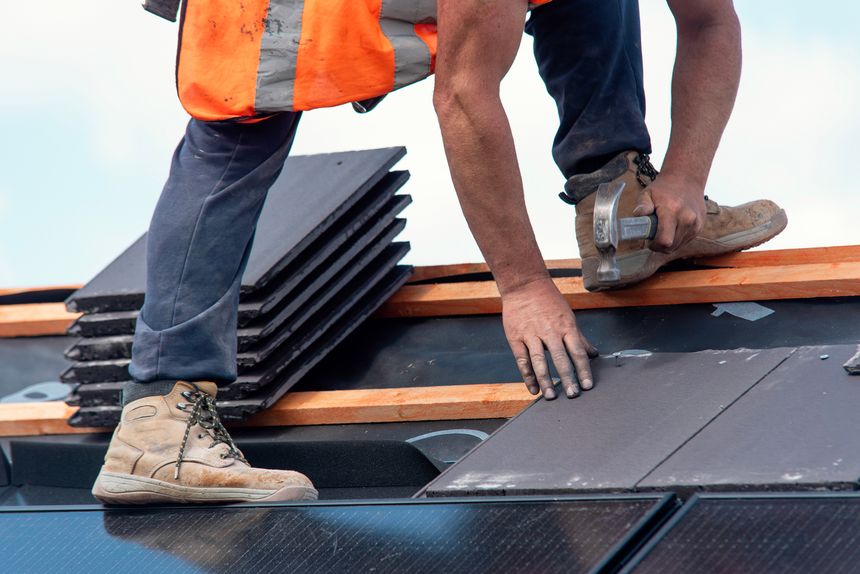
The construction industry is reaching a turning point where resilience and sustainability can no longer be treated as separate goals. With climate-related disruptions becoming more frequent, buildings must not only reduce environmental impact but also withstand stress and recover quickly. A structure that performs well on paper but fails during extreme events ultimately creates more waste, emissions, and social disruption than it saves.
What stands out is how naturally these two concepts reinforce each other. Designing for energy efficiency, material circularity, and water conservation strengthens long-term performance, while climate-adaptive design and passive survivability protect those investments. When buildings last longer and avoid repeated repair or reconstruction, sustainability becomes practical rather than theoretical.
For industry professionals, the opportunity lies in integration. Early design decisions, resilient supply chains, and collaboration across disciplines can future-proof projects while supporting communities and the environment. Building smarter today is how we reduce risk, cost, and impact tomorrow.
/Passle/60211dc9e5416a0c14bc63d4/MediaLibrary/Images/2026-10-08-14-59-39-789-6ac7afdb1204b135b13c425a.png)
/Passle/60211dc9e5416a0c14bc63d4/SearchServiceImages/2026-10-13-15-16-49-499-6ace4b61477453bcaa2e95ec.jpg)
/Passle/60211dc9e5416a0c14bc63d4/SearchServiceImages/2026-10-07-03-07-28-884-6ac5b770e2138e97236d8711.jpg)
/Passle/60211dc9e5416a0c14bc63d4/SearchServiceImages/2026-10-03-02-21-11-638-6ac066977c1a0b1c3a065bb9.jpg)