


I take a walk on the beach almost every day. Over the years, I've found plenty of washed-up lobster traps, driftwood, and if I'm particularly lucky, a piece of sea glass polished smooth by the waves.
Needless to say, I've never stumbled across a 2-million-year-old elephant tooth.
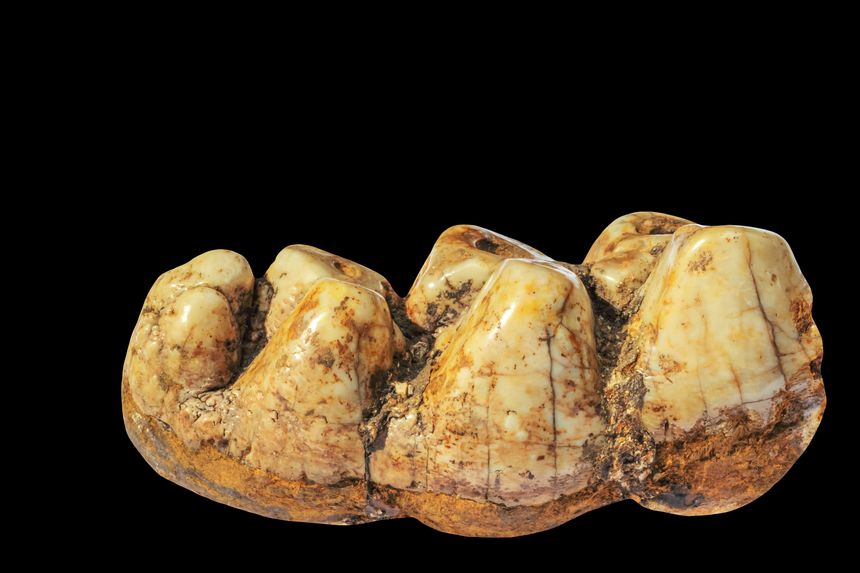
That's exactly what happened when 11-year-old Charlie Orchard-Lisle discovered the fossilized molar of an extinct elephant ancestor during a beach walk in Suffolk, England. Experts confirmed the tooth belonged to Anancus arvernensis, a massive relative of today's African elephant that roamed the Earth millions of years ago.
Stories like this are a reminder that the natural world still has the power to surprise us. Whether it's a fossil emerging from coastal erosion, a rare species returning to a habitat, or an unexpected scientific breakthrough, incredible discoveries often happen when curiosity meets opportunity.
It's also a lesson in paying attention. Charlie spotted something that looked different, stopped to investigate, and uncovered a piece of Earth's ancient history. How many remarkable things pass us by each day because we're moving too fast to notice?
The next time you're out for a walk, take a closer look. You may not find a prehistoric elephant tooth, but you never know what stories are waiting to be uncovered right beneath your feet.
/Passle/60211dc9e5416a0c14bc63d4/MediaLibrary/Images/2024-07-25-19-34-58-437-66a2a8e2012a075bf2d3886e.jpg)
/Passle/60211dc9e5416a0c14bc63d4/SearchServiceImages/2026-08-28-21-08-00-332-6a91f8b0de355275bbc2047e.jpg)
/Passle/60211dc9e5416a0c14bc63d4/SearchServiceImages/2026-09-01-19-40-59-331-6a972a4bf9386af8ea707113.jpg)
/Passle/60211dc9e5416a0c14bc63d4/SearchServiceImages/2026-09-03-11-57-48-238-6a9960bc7466c353608a92a5.jpg)




