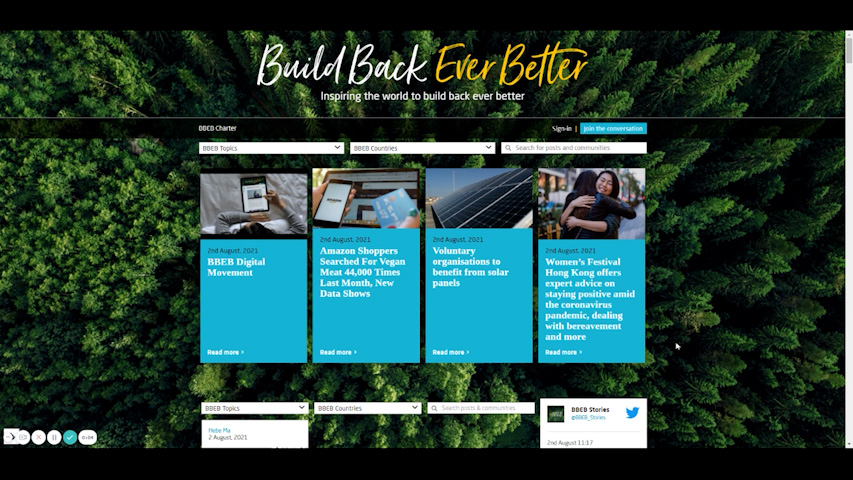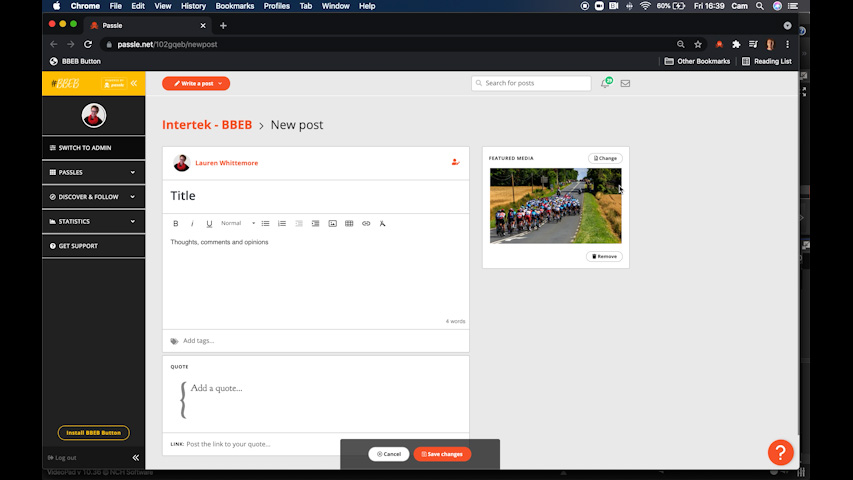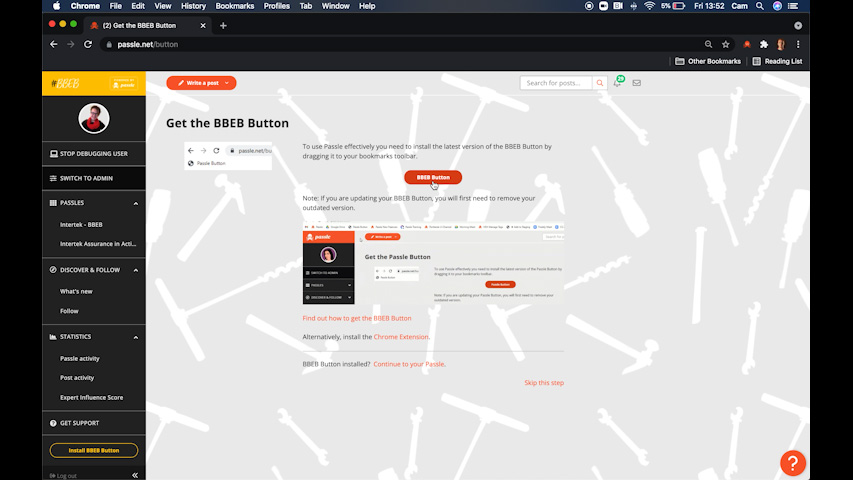


Architecture is clearly evolving from statement-driven design toward performance-driven living. The shift toward smart, adaptive homes reflects a broader recognition that buildings must respond dynamically to energy volatility, climate risks, and changing lifestyles. Integrating automation, energy monitoring, and predictive maintenance is not just about convenience; it strengthens resilience and improves resource efficiency. For industry professionals, this signals that future-ready infrastructure will increasingly depend on data-driven design that optimizes comfort, reduces waste, and supports long-term operational stability.
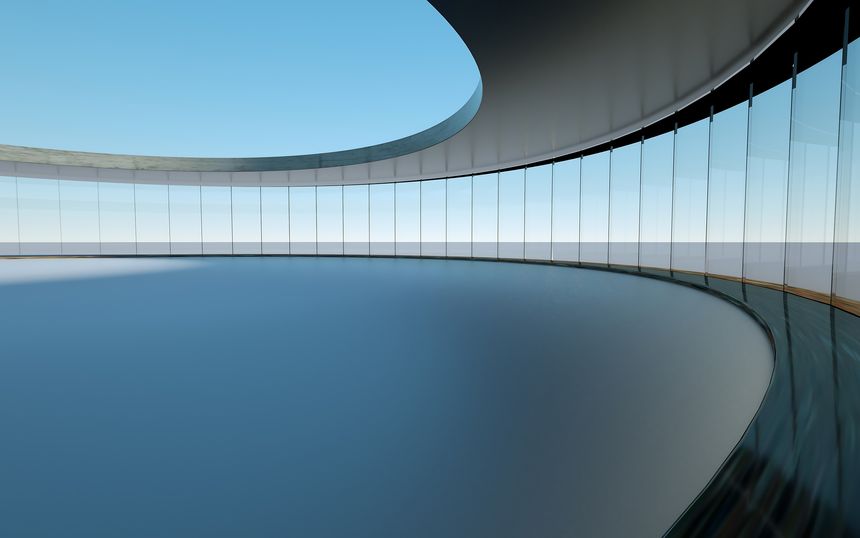
Equally encouraging is the strong momentum behind circular and biophilic design. The use of low-impact materials, renewable energy systems, and nature-integrated spaces shows how sustainability is becoming embedded in architectural thinking rather than treated as an add-on. Designs that prioritize natural light, ventilation, and adaptable layouts not only reduce environmental impact but also enhance occupant wellbeing. As resource constraints intensify globally, architecture that balances durability, flexibility, and environmental stewardship will likely define long-term value and responsible development.
/Passle/60211dc9e5416a0c14bc63d4/SearchServiceImages/2026-09-21-14-44-06-794-6ab142b68d381308c46013e3.jpg)
/Passle/60211dc9e5416a0c14bc63d4/SearchServiceImages/2026-09-22-20-55-53-229-6ab2eb59e77aebe36a19438f.jpg)
/Passle/60211dc9e5416a0c14bc63d4/SearchServiceImages/2026-09-27-15-40-51-115-6ab939039006ba25977a837e.jpg)
/Passle/60211dc9e5416a0c14bc63d4/SearchServiceImages/2026-09-24-10-34-45-556-6ab4fcc5ce1e0391003c4632.jpg)