
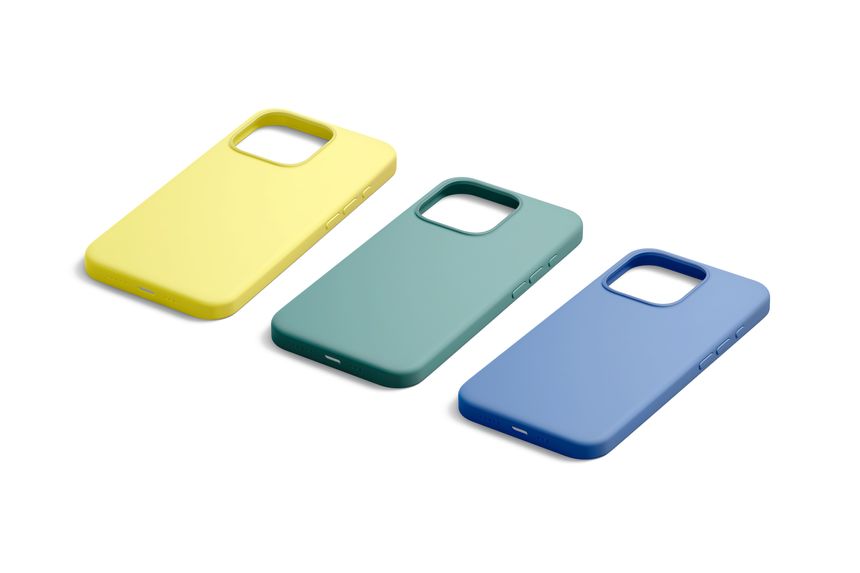
As conversations around sustainability continue to evolve, one of the biggest challenges remains turning awareness into action. A new initiative from phone case brand RHINOSHIELD shows how companies outside the traditional environmental sector can still play a meaningful role in tackling global issues.
The company recently unveiled “CircularBlue,” an autonomous floating platform designed to collect plastic waste from oceans and coastlines using AI-powered drones and solar energy. The system combines aerial monitoring with floating collection vessels that can identify pollution hotspots in real time and remove debris before it spreads further into marine ecosystems.
What makes this story particularly interesting is the shift in mindset it represents. Rather than treating sustainability as a side initiative, businesses are increasingly applying their engineering, technology, and operational expertise to challenges well beyond their core products. In this case, a consumer accessories company leveraged materials science, automation, and AI to address ocean pollution in a practical way.
Ocean plastic remains one of the world’s most visible environmental problems, with millions of tonnes entering marine environments every year. Efforts like The Ocean Cleanup have already demonstrated how technology and large-scale innovation can support waste recovery efforts globally.
While no single solution will solve the plastic crisis alone, projects like CircularBlue highlight the growing importance of cross-industry innovation. They also reinforce an important idea: sustainability progress often happens when organisations are willing to apply existing expertise in entirely new ways.
/Passle/60211dc9e5416a0c14bc63d4/SearchServiceImages/2026-10-06-16-03-57-961-6ac51beda2651f39e10fb916.jpg)
/Passle/60211dc9e5416a0c14bc63d4/SearchServiceImages/2026-10-05-07-46-34-555-6ac355da5a3b6bd1825bc179.jpg)
/Passle/60211dc9e5416a0c14bc63d4/SearchServiceImages/2026-09-23-19-13-10-899-6ab424c6f84433e70eea14a5.jpg)
/Passle/60211dc9e5416a0c14bc63d4/SearchServiceImages/2026-09-30-09-58-32-552-6abcdd48e74bcfda1242f62a.jpg)