

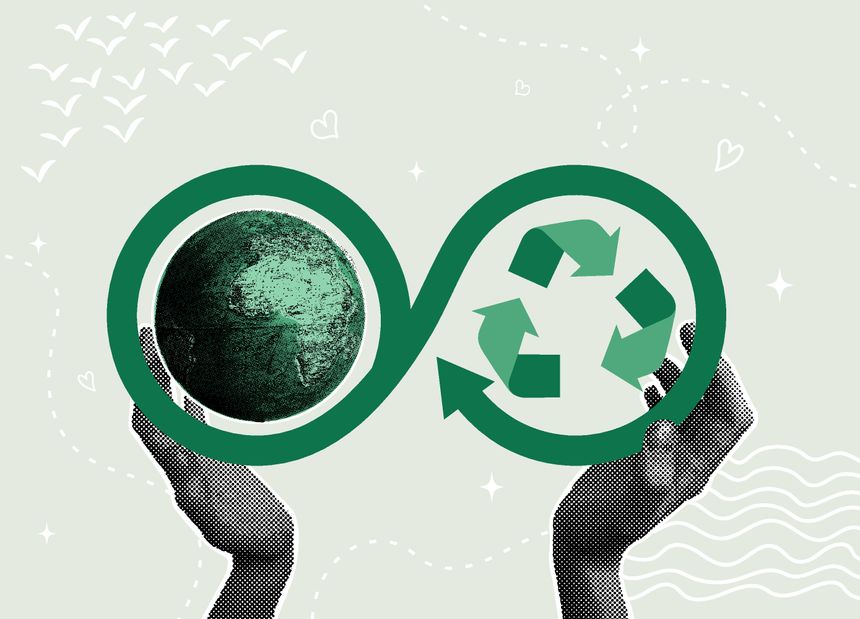
When people think of the circular economy, they often picture recycling bins and waste reduction programs. But across Australia, businesses are proving that circularity can be far more innovative—and profitable. From transforming coffee cups into construction materials and brewery waste into fresh bread, to building roads with recycled plastics and creating fashion products from fish waste, Australian organizations are finding creative ways to turn yesterday’s waste into tomorrow’s opportunity.
These examples demonstrate that the circular economy is not just an environmental initiative; it is a powerful business strategy that can reduce costs, create new revenue streams, strengthen brand reputation, and drive innovation. For small and medium-sized enterprises (SMEs), the lessons are particularly relevant. Many circular economy solutions can be implemented at a local level, delivering tangible benefits while helping businesses meet growing customer, investor, and regulatory expectations around sustainability.
Here are ten fascinating examples of how Australia is embracing the circular economy—and what SMEs can learn from them to build a more resilient, sustainable, and profitable future.
/Passle/60211dc9e5416a0c14bc63d4/SearchServiceImages/2026-10-06-17-19-56-342-6ac52dbc4e3377a132b46e72.jpg)
/Passle/60211dc9e5416a0c14bc63d4/SearchServiceImages/2026-10-15-08-01-34-892-6ad0885ed13e4bbdf6a6a870.jpg)
/Passle/60211dc9e5416a0c14bc63d4/SearchServiceImages/2026-10-05-15-09-50-332-6ac3bdbeb62340ff37b1cbcb.jpg)
/Passle/60211dc9e5416a0c14bc63d4/SearchServiceImages/2026-10-07-15-31-32-195-6ac665d4a94b9e84e53c298b.jpg)