

For years, the conversation around sustainable aviation fuel has focused on feedstocks such as used cooking oil, agricultural waste, and other bio-based materials.
Now, a new chapter may be emerging.
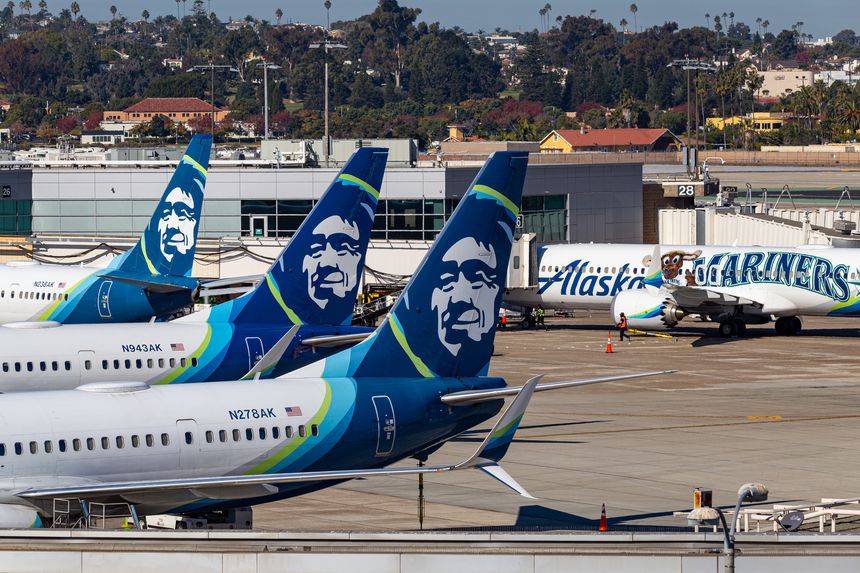
A newly opened facility in Washington State is producing synthetic aviation fuel using captured carbon dioxide, water, and renewable electricity. The plant, known as AirPlant One, represents one of the first commercial-scale efforts in the United States to produce e-fuel for aviation using a power-to-liquid process. Microsoft and Alaska Airlines helped support the project through long-term fuel purchase commitments and strategic investment.
What I find particularly interesting is that this approach addresses one of the biggest challenges facing aviation: scale.
While bio-based sustainable aviation fuels will continue to play an important role, future demand will likely require multiple pathways. Technologies that convert captured CO₂ into usable fuel could help diversify supply, strengthen energy security, and reduce dependence on traditional fossil fuel production. AirPlant One's fuel is reported to deliver up to 90% lower lifecycle emissions compared to conventional jet fuel while remaining compatible with existing aircraft and infrastructure.
Of course, significant challenges remain. Production costs are still substantially higher than conventional jet fuel, and scaling these technologies to meet global demand will require continued investment, policy support, and industry collaboration.
But every major transition starts somewhere.
The opening of a commercial facility that turns air, water, and renewable electricity into jet fuel is a reminder that some of the most promising climate solutions are moving beyond the laboratory and into real-world operation.
The future of sustainable aviation may not depend on a single breakthrough. It may depend on many innovations working together to help one of the world's most challenging industries reach its net-zero ambitions.
/Passle/60211dc9e5416a0c14bc63d4/SearchServiceImages/2026-09-03-15-41-56-326-6a9995447466c353608b5180.jpg)
/Passle/60211dc9e5416a0c14bc63d4/SearchServiceImages/2026-09-04-10-40-38-568-6a9aa0260d5bc279697263a2.jpg)
/Passle/60211dc9e5416a0c14bc63d4/SearchServiceImages/2026-09-08-13-31-06-860-6aa00e1abf0283d03a3c6875.jpg)
/Passle/60211dc9e5416a0c14bc63d4/MediaLibrary/Images/2024-07-25-19-34-58-437-66a2a8e2012a075bf2d3886e.jpg)