

There have been a lot of scary headlines about our oceans in recent years. Not scary in a “what’s lurking beneath the surface” kind of way – more “what might not be there in the future” if we don’t take action to reduce human impact and conserve life in our global waters.
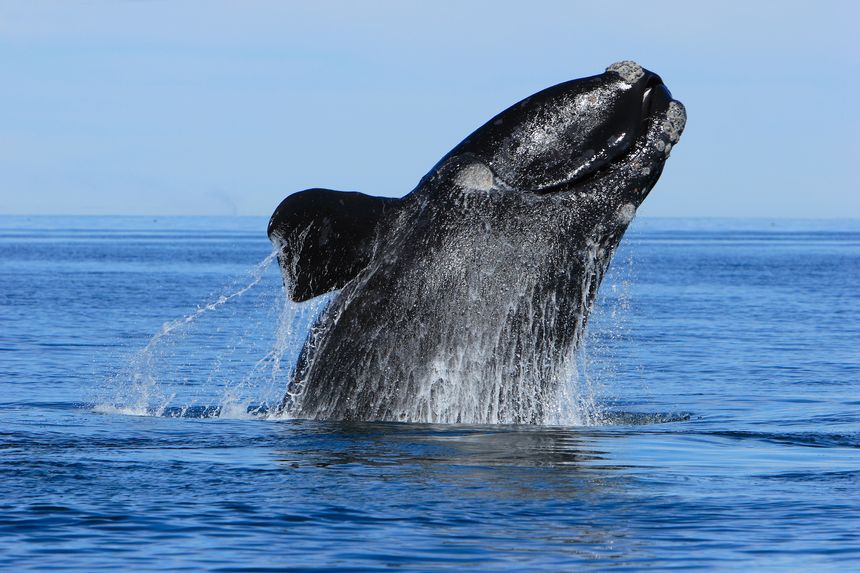
It’s therefore reassuring to know that North Atlantic right whales, one of the most endangered large whale species on the planet, have just had their best recorded calving season in 17 years. NOAA Fisheries confirmed 23 calves in waters between North Carolina and Florida during the latest mid-November to mid-April season, the highest total since 2009.
This good news reflected a broader trend of increased North Atlantic right whale sightings, with a 29% increase in the number of individuals spotted compared to the previous calving season. The 129 whales counted included mothers, calves, juveniles, yearlings and solo adults.
Fewer than 380 North Atlantic right whales live in our oceans today and only around 70 are reproductively active females. For most of the last decade, deaths have outpaced births as sickness and injury from human activity pose a significant threat to the species.
While the 2026 numbers don’t put the species in the clear, researchers at NOAA Fisheries offered an optimistic outlook.
/Passle/60211dc9e5416a0c14bc63d4/MediaLibrary/Images/2024-07-25-19-34-58-437-66a2a8e2012a075bf2d3886e.jpg)
/Passle/60211dc9e5416a0c14bc63d4/SearchServiceImages/2026-08-28-21-08-00-332-6a91f8b0de355275bbc2047e.jpg)
/Passle/60211dc9e5416a0c14bc63d4/SearchServiceImages/2026-09-01-19-40-59-331-6a972a4bf9386af8ea707113.jpg)
/Passle/60211dc9e5416a0c14bc63d4/SearchServiceImages/2026-09-03-11-57-48-238-6a9960bc7466c353608a92a5.jpg)