

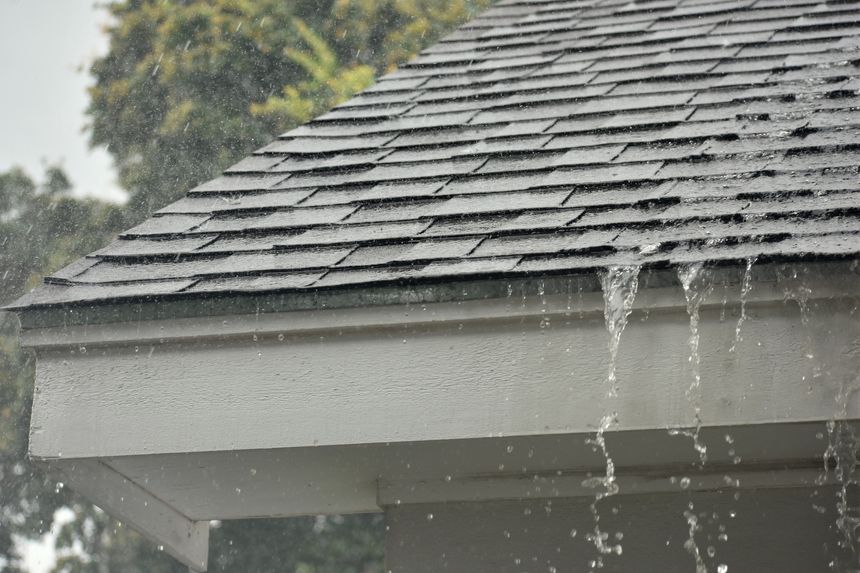
Researchers at The University of Manchester are exploring a surprisingly simple way to help cities stay cooler: save the rain that falls on buildings and put it to work when temperatures rise.
The concept involves capturing rooftop rainwater and later spraying it onto buildings during periods of extreme heat. As the water evaporates, it can cool building surfaces and the surrounding environment, potentially reducing the need for air conditioning.
That could address two problems at once. Heavy air-conditioning use increases electricity demand while also releasing heat outdoors, contributing to already high temperatures in densely developed areas.
Water-based cooling techniques have shown promise, but finding a sustainable supply of water can be a challenge. Using rainwater collected locally could make the approach more practical while giving cities another tool for dealing with increasingly frequent and intense heatwaves.
Consider the benefit if every data center implements this technique as well. Let no resource go un-recycled.
/Passle/60211dc9e5416a0c14bc63d4/SearchServiceImages/2026-09-21-14-44-06-794-6ab142b68d381308c46013e3.jpg)
/Passle/60211dc9e5416a0c14bc63d4/SearchServiceImages/2026-09-22-20-55-53-229-6ab2eb59e77aebe36a19438f.jpg)
/Passle/60211dc9e5416a0c14bc63d4/SearchServiceImages/2026-09-27-15-40-51-115-6ab939039006ba25977a837e.jpg)
/Passle/60211dc9e5416a0c14bc63d4/SearchServiceImages/2026-09-24-10-34-45-556-6ab4fcc5ce1e0391003c4632.jpg)