

We often talk about sustainable growth, corporate responsibility, and making smarter choices for the future. Most of the time, these conversations focus on large systems: supply chains, energy efficiency, packaging, transportation, and policy.
But recently, I found myself thinking about sustainability from a much more personal angle: the choices we make every day, especially around food.
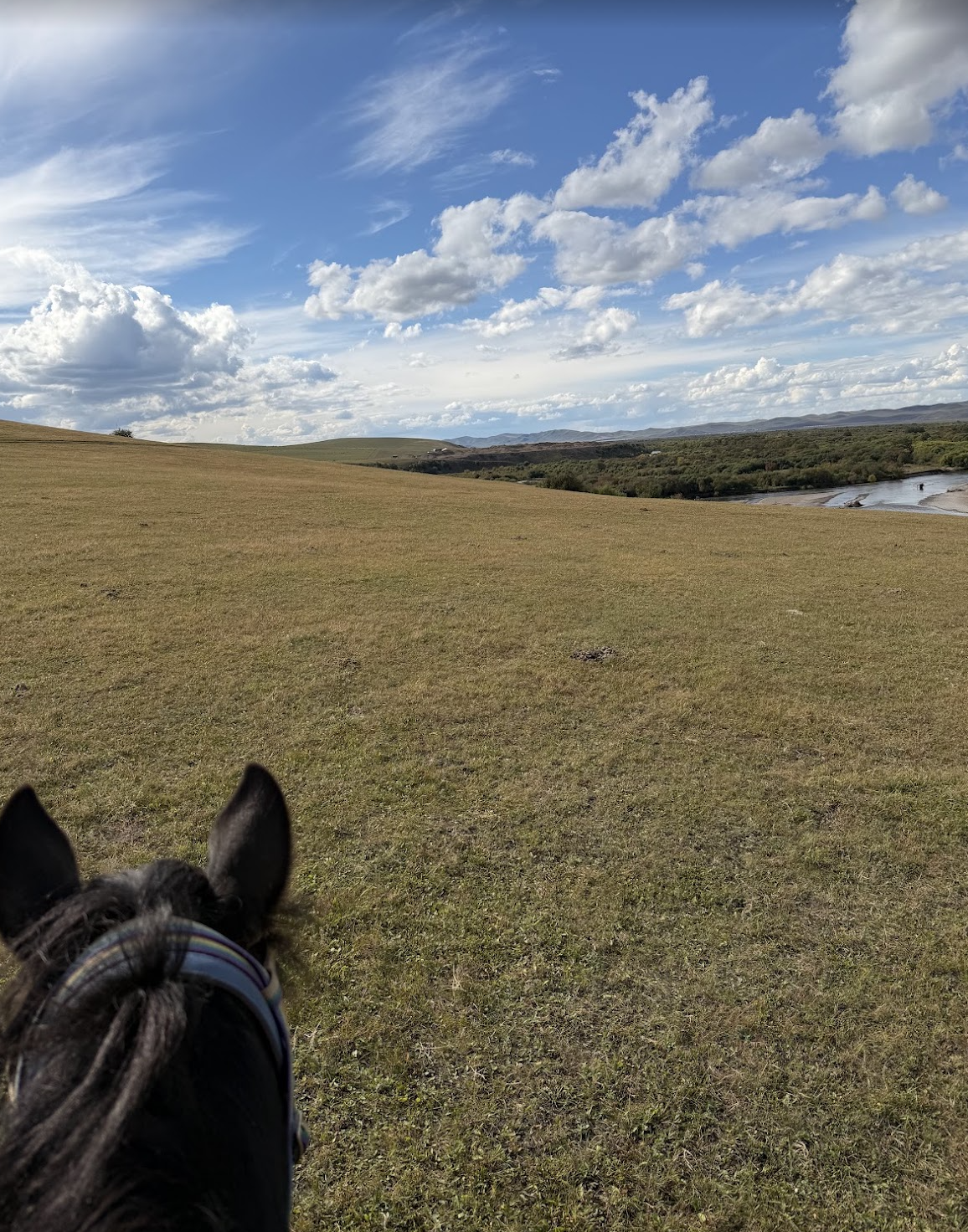
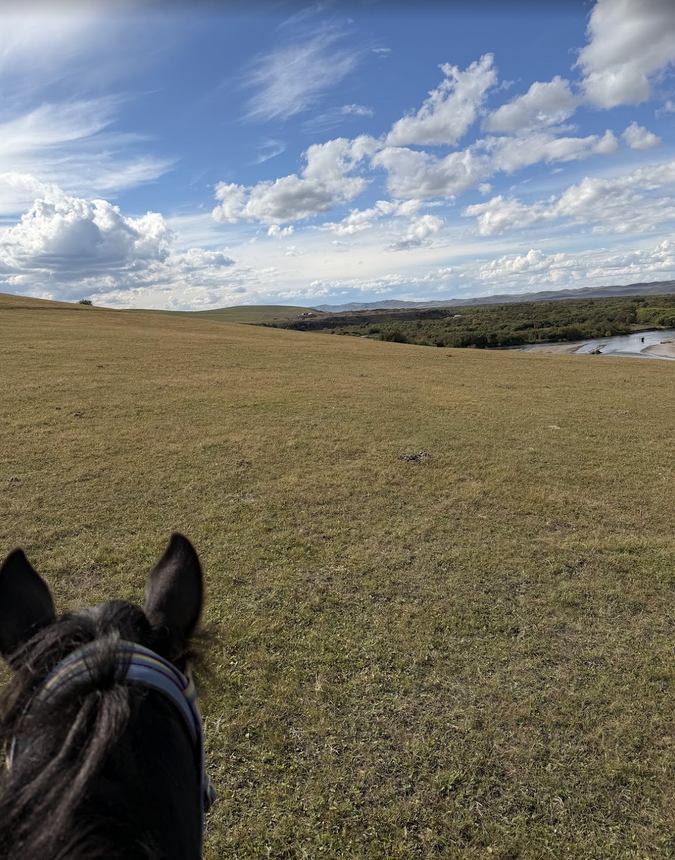
Let me be honest: I am not vegan. I enjoy meat. I enjoy food. Like many people, my habits are familiar, emotional, and deeply ingrained. But during a recent trip through the wide-open landscapes of Inner Mongolia, two moments stayed with me and made me question some of the assumptions I usually take for granted.
The first happened on horseback.
After spending days riding through the grasslands, I felt a real connection with the horses. They were powerful, intelligent, sensitive animals, each with its own personality. The thought of horses being eaten felt impossible to accept.
And yet, I know that in many cultures, horsemeat is considered completely normal.
That realization made me pause. Not because one culture is right and another is wrong, but because it exposed something uncomfortable: the lines we draw between “animals we love” and “animals we eat” are often shaped more by culture and habit than by logic.
It brought two dilemmas into focus for me.
The “Out of Sight” Comfort
Many of us are comfortable buying meat when it comes neatly wrapped in a supermarket package. It is clean, convenient, and emotionally distant from the animal it once was.
But we become uneasy when that distance disappears.
A striking example is the Japanese performance artist who raised a piglet named Momo for a year and later had it processed for food as part of an art project. The public reaction was intense. Many people were outraged, not necessarily because eating pork was unusual, but because she forced people to confront the living being behind a familiar food.
That discomfort says something important. We are often willing to accept the outcome, but not the process. We want consumption without confrontation.
The Companion vs. Food Divide
The second dilemma is the way we separate animals into emotional categories.
Some animals become companions. Some become symbols of beauty or strength. Others become food. The horse I rode felt impossible to imagine as meat. Yet pigs, cows, chickens, and sheep are often kept at a comfortable emotional distance, even though many of them are intelligent, social, and capable of fear, stress, and affection.
This divide is not always based on logic. It is shaped by culture, upbringing, convenience, and habit.
This is not an argument for moral perfection. It is an argument for awareness.
If we care about sustainability, we cannot only look at what is visible and convenient. We also have to look at the systems behind our everyday comforts, including the food system. Meat consumption is not a simple black-and-white issue, and not all proteins carry the same environmental impact. There are meaningful differences between the choices we make, and there is room for a more thoughtful middle ground.
We do not all need to become vegan overnight. But perhaps we can become more conscious omnivores.
That might mean eating slightly less meat, choosing lower-impact proteins more often, wasting less food, or simply being more honest with ourselves about the environmental cost of what we consume. Small shifts, made consistently, can still matter.
The second moment came later on the same trip.
As we passed through villages near the grasslands, the breathtaking scenery was interrupted by something sadly familiar: discarded plastic bottles scattered across the landscape. It was hard not to feel disappointed seeing waste in such a beautiful place.
Of course, littering and food choices are not the same thing. Dumping rubbish in nature is a direct act of carelessness, while eating meat is tied to culture, habit, access, nutrition, and enjoyment. Nor can we expect every person to live according to the lowest possible environmental footprint in every decision they make. That would turn sustainability into a test of purity rather than a path of progress.
But the contrast did make me think about visibility.
A plastic bottle on the ground is easy to judge because the impact is immediate and obvious. The environmental cost behind our food choices is harder to see. It is hidden in land use, water use, emissions, packaging, transport, and waste. One form of impact sits openly in the landscape. The other is buried inside systems we rarely have to confront.
So the question is not whether eating meat is morally equivalent to littering. It is not. The question is whether we are willing to bring the same honesty and attention to the invisible impacts of our consumption as we do to the visible ones.
For me, that was the real lesson of the trip. Sustainability is not only about what companies do, although that matters deeply. It is also about the stories we tell ourselves as individuals: what we excuse, what we ignore, and what we are willing to reconsider.
The goal is not guilt. Guilt rarely creates lasting change. The goal is honesty.
If we want to build back ever better, we need to be willing to examine not just the systems around us, but also the everyday choices we participate in. Progress does not always begin with a dramatic lifestyle change. Sometimes it begins with a pause, a question, and the courage to look more closely at what we consume.
A more sustainable future will not be built by perfect people. It will be built by people willing to become more aware, more responsible, and more intentional — one choice at a time.