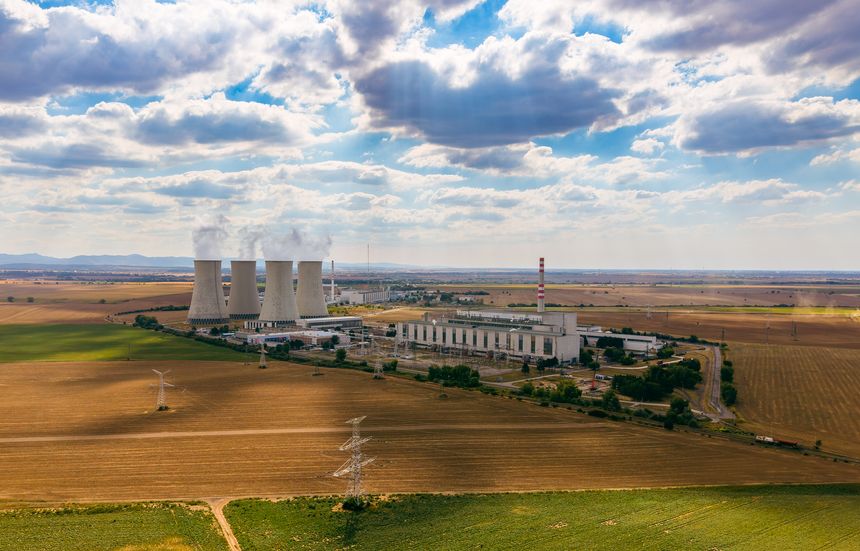


This past weekend marked 70 years since the opening of Calder Hall, the world's first nuclear power station to generate electricity for domestic use, in Cumbria, UK.
On 17 October 1956, Queen Elizabeth II officially opened the facility, connecting nuclear-generated electricity to the National Grid. At the time, nuclear energy was seen as a revolutionary technology that could transform how countries produced electricity. The nearby town of Workington became the first community in the world to receive power generated by a commercial nuclear station, marking a significant milestone in modern energy history.
Over the following decades, nuclear power expanded around the world, becoming an important source of electricity in many countries. While attitudes towards the technology have evolved, and debates around cost, safety and waste management continue, nuclear energy remains a major part of discussions about future energy systems.
Although Calder Hall closed in 2003 after almost half a century of operation, well beyond its original design life, its impact continues to be felt today through the doors it opened and lessons learned along the way.