

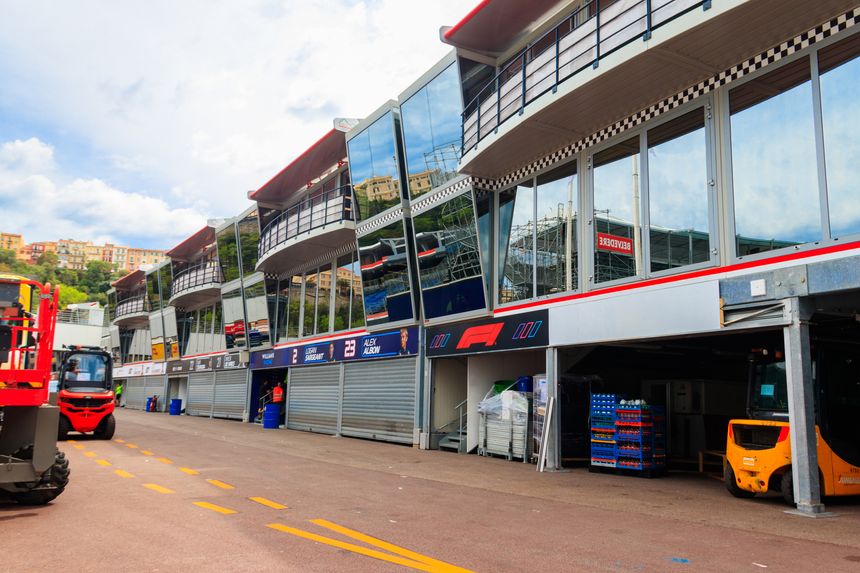
Formula 1’s bold pursuit of a carbon net zero footprint by 2030 is revealing how the world’s fastest sport can help drive environmental progress far beyond the track. The sport has already achieved half its target, cutting emissions by 26 percent by the end of the 2024 season compared to its baseline year, reflecting transformative change across design, logistics, operations, and travel. This progress stems not only from advances in sustainable fuel but from reimagined logistics and event management that prioritize efficiency and sustainability.
Rather than focusing solely on car design, Formula 1 is weaving environmental responsibility into every part of its operation. It is reducing travel emissions through remote broadcasting, strategically reorganizing its race calendar, deploying sustainable aviation fuel, and using biofuel powered trucks to transport equipment. This all-encompassing strategy demonstrates that performance and sustainability do not conflict but can in fact reinforce each other if we are ready to innovate boldly.
All eyes will be on the sport in 2026 when Formula 1 cars will finally run on 100 percent sustainable drop-in fuels that are carbon neutral while offering the same horsepower and performance as before. If these technologies make their way into everyday cars, the impact could be enormous.
As someone who believes deeply in the power of innovation to solve the problems it sometimes helps create, this achievement resonates strongly. Whether in motorsports, finance, or manufacturing, we are constantly called on to meet challenges with agility and imagination. The same ethos that fuels breakthroughs on a racetrack can be harnessed to drive change across industries.
This journey reminds me that innovation is not a one-time act but a cycle of invention, testing, refinement, and adaptation. The bold steps Formula 1 is taking already push the limits of what seems possible today while setting a powerful example for global industries. They are showing that when leaders choose to innovate with purpose, the ripple effects can influence sustainability practices across sectors and truly change the world’s trajectory.
/Passle/60211dc9e5416a0c14bc63d4/SearchServiceImages/2026-09-08-13-31-06-860-6aa00e1abf0283d03a3c6875.jpg)
/Passle/60211dc9e5416a0c14bc63d4/MediaLibrary/Images/2024-07-25-19-34-58-437-66a2a8e2012a075bf2d3886e.jpg)
/Passle/60211dc9e5416a0c14bc63d4/SearchServiceImages/2026-08-28-21-08-00-332-6a91f8b0de355275bbc2047e.jpg)
/Passle/60211dc9e5416a0c14bc63d4/SearchServiceImages/2026-09-01-19-40-59-331-6a972a4bf9386af8ea707113.jpg)