


Europe may only be halfway through summer 2026, but temperatures are rising and records are falling.
June was the hottest on record across Western Europe, with May and July also seeing staggering peaks.
During this period, temperature records have fallen in Austria, Belgium, the Czech Republic, Denmark, France, Germany, Hungary, Italy, the Netherlands, Poland, Romania, Slovakia, Spain and the UK, with the heat also spreading into the Balkans.
The impacts have been severe, taking a toll on human health, productivity, water supply, agriculture, infrastructure and wildlife. Across France and the Iberian Peninsula, we’ve seen concerningly frequent and intense wildfires.
Unfortunately, science suggests that this is becoming more of a trend than an anomaly.
A study by World Weather Attribution examined the extent to which climate change altered the likelihood and intensity of this summer's extreme heat in Western Europe. The conclusion: the high-pressure systems behind these heatwaves – areas of trapped, stagnant air that build up heat over time – aren't new, but with Europe now warmer on average due to climate change, they're producing far higher temperatures than they would have decades ago.
In other words, these extreme summers are likely to become more frequent as the climate continues to warm.
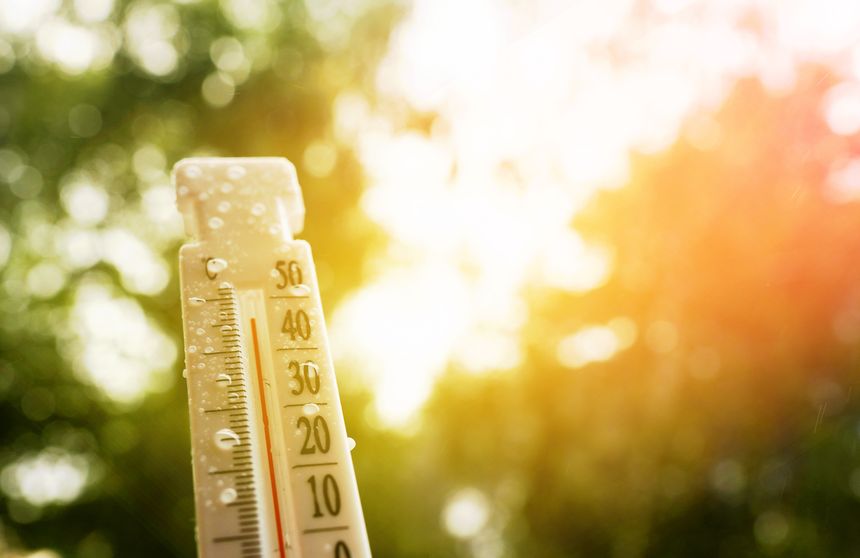
/Passle/60211dc9e5416a0c14bc63d4/SearchServiceImages/2026-10-13-15-16-49-499-6ace4b61477453bcaa2e95ec.jpg)
/Passle/60211dc9e5416a0c14bc63d4/SearchServiceImages/2026-10-07-03-07-28-884-6ac5b770e2138e97236d8711.jpg)
/Passle/60211dc9e5416a0c14bc63d4/SearchServiceImages/2026-10-03-02-21-11-638-6ac066977c1a0b1c3a065bb9.jpg)
/Passle/60211dc9e5416a0c14bc63d4/SearchServiceImages/2026-09-27-17-44-10-859-6ab955eaef3ecc8443aa618d.jpg)