

Nature's food chains have evolved over millions of years to maintain balance, creating ecosystems that can largely sustain themselves. Predators regulate prey populations, while herbivores and pollinators help to shape and replenish plant life. In turn, plants play a vital role in maintaining global oxygen and carbon dioxide levels, ensuring the survival of every living thing on our planet.
In a world where we may think of humanity – with our increasing populations and constantly advancing technologies – as a threat to this delicate balance, there are often reminders that we're not above it.
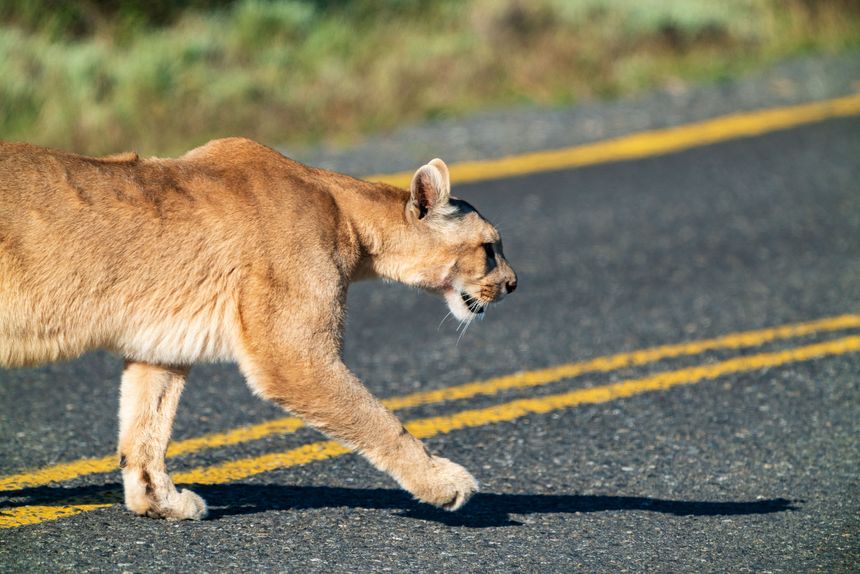
A recent study looked at the relationship between puma populations and the frequency of road traffic accidents involving deer across the Olympic Peninsula of Washington, USA. It found that in areas where pumas were present, deer were more active during the day, less likely to be found in locations with higher road densities and 86% more likely to spend their time in remote habitats. These changes contributed to a significant reduction in the probability of collisions between deer and vehicles.
While few of us share our daily commute with a puma, the study highlights just how connected we are to the natural world. So while conservation and environmental protection may sometimes just seem like the morally right thing to do, they are very often also an investment in human wellbeing.
/Passle/60211dc9e5416a0c14bc63d4/SearchServiceImages/2026-10-22-14-57-06-228-6ada2442594ea8e6e3b00785.jpg)
/Passle/60211dc9e5416a0c14bc63d4/SearchServiceImages/2026-10-15-08-01-34-892-6ad0885ed13e4bbdf6a6a870.jpg)
/Passle/60211dc9e5416a0c14bc63d4/SearchServiceImages/2026-10-06-17-19-56-342-6ac52dbc4e3377a132b46e72.jpg)
/Passle/60211dc9e5416a0c14bc63d4/SearchServiceImages/2026-10-05-15-09-50-332-6ac3bdbeb62340ff37b1cbcb.jpg)