
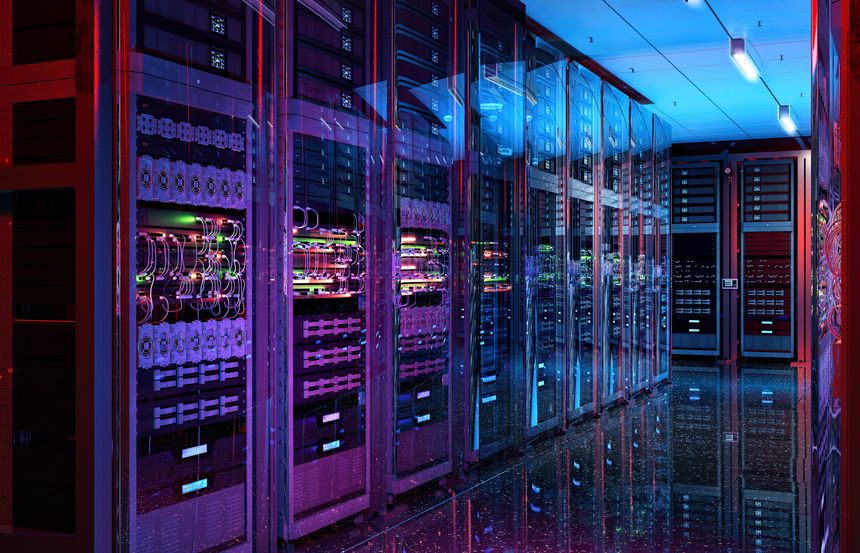
Without question, AI data centers do require large amounts of water to help cool the powerful servers that run advanced models and process enormous volumes of data. However, the overall picture is more nuanced than many people realize. While data centers consume significant resources, their water use remains relatively small compared with major industries such as agriculture and certain types of manufacturing.
Where data centers are built often matters more than how much water they use overall. A facility located in a water-rich region may have little impact on local supplies, while the same facility in a drought-prone area could place additional stress on already limited resources. That reality has sparked growing debate in parts of the American Southwest, where communities are weighing the economic benefits of new technology investments against concerns about long-term water availability.
The good news is that the industry is not standing still. Companies and engineers are developing more efficient cooling systems, improving server designs, and exploring ways to reduce or even offset water consumption. As AI infrastructure continues to expand, the challenge will be balancing the demand for computing power with responsible resource management. In the end, AI's water footprint is less a simple yes-or-no issue and more a question of location, technology, and how thoughtfully that growth is managed.
/Passle/60211dc9e5416a0c14bc63d4/SearchServiceImages/2026-10-22-14-57-06-228-6ada2442594ea8e6e3b00785.jpg)
/Passle/60211dc9e5416a0c14bc63d4/SearchServiceImages/2026-10-15-08-01-34-892-6ad0885ed13e4bbdf6a6a870.jpg)
/Passle/60211dc9e5416a0c14bc63d4/SearchServiceImages/2026-10-06-17-19-56-342-6ac52dbc4e3377a132b46e72.jpg)
/Passle/60211dc9e5416a0c14bc63d4/SearchServiceImages/2026-10-05-15-09-50-332-6ac3bdbeb62340ff37b1cbcb.jpg)