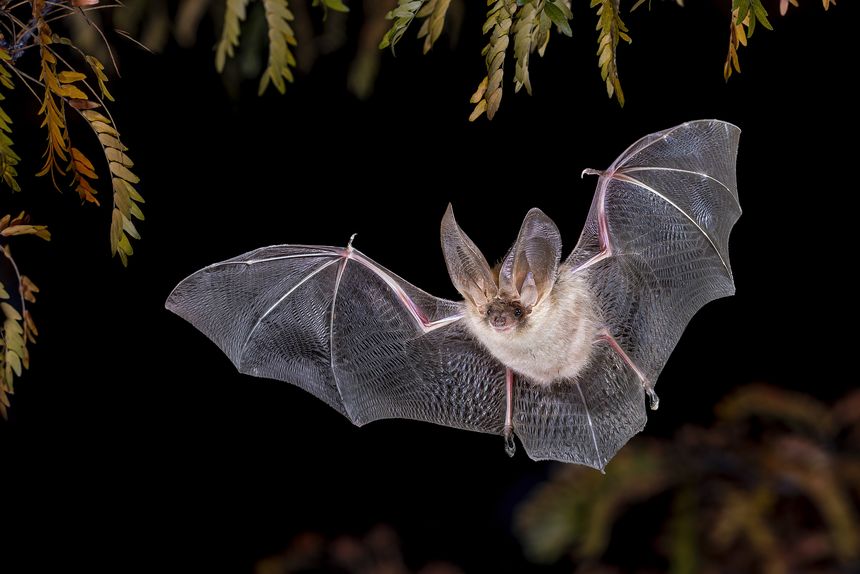


Every Halloween, there is a marked increase in the visibility of bats, from decorations and costumes to films and folklore. While these nocturnal mammals have long been linked with scary stories and the horror genre, they play a vital role in ecosystems around the world.
Globally, scientists now recognise around 1,500 bat species, making them one of the most diverse groups of mammals on the planet. In fact, bats account for roughly 22% of all mammal species worldwide. Their widespread presence and huge populations make bats one of nature’s most important workers, helping to control pests, pollinate plants, disperse seeds and support healthy ecosystems.
However, like many species, bat populations around the world face major challenges, including climate change, habitat destruction and the spread of disease.
It’s therefore no surprise that global initiatives such as Bat Appreciation Week, which runs from 24 to 31 October, and the Bat Conservation Trust’s Halloween campaign seek to bust myths and raise awareness of the challenges and environmental value of these remarkable creatures.
So, next time you see a Halloween bat, it's worth remembering that they are not simply a spooky symbol or villain of the night – they are essential for maintaining the delicate balance of the natural world.