

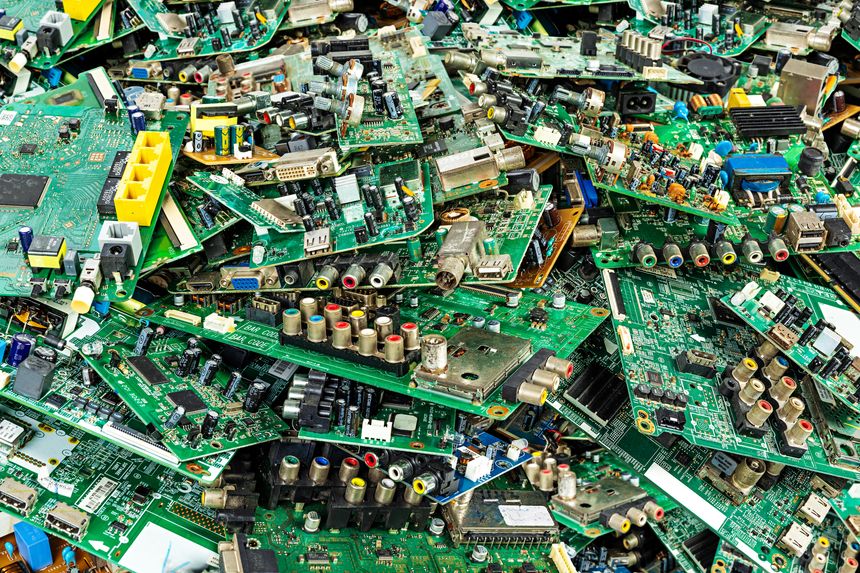
The link between electronic waste and green hydrogen highlights how innovation is reshaping the sustainability landscape. Transforming discarded electronics into valuable inputs for clean energy production is a powerful example of circular thinking in action. With millions of tons of e-waste generated each year, this approach not only addresses a growing environmental challenge but also unlocks new opportunities to make green hydrogen more accessible and scalable.
What makes this development particularly relevant is its potential to reduce reliance on scarce and costly materials. By recovering metals like copper and nickel and applying them to advanced energy solutions, the industry can move toward more cost-effective and resource-efficient production models. This shift supports both environmental goals and long-term economic viability, which are essential for accelerating the energy transition.
For industry professionals, this signals a broader shift toward integrating waste streams into value chains. Collaboration between recycling, technology, and energy sectors will be key to turning this potential into reality. As sustainability expectations continue to rise, solutions that combine innovation, efficiency, and circularity will play a critical role in shaping the future of clean energy.
/Passle/60211dc9e5416a0c14bc63d4/SearchServiceImages/2026-09-10-00-52-25-316-6aa1ff49ff5bd9fb0fed759a.jpg)
/Passle/60211dc9e5416a0c14bc63d4/SearchServiceImages/2026-09-09-15-01-38-177-6aa174d2313dbadbe82c2a01.jpg)
/Passle/60211dc9e5416a0c14bc63d4/SearchServiceImages/2026-09-08-15-59-47-905-6aa030f3d27ce9f0cbae7a79.jpg)
/Passle/60211dc9e5416a0c14bc63d4/SearchServiceImages/2026-09-04-10-40-38-568-6a9aa0260d5bc279697263a2.jpg)