
For years, lithium-ion batteries have been the backbone of the clean energy transition, powering everything from smartphones and laptops to electric vehicles and renewable energy storage systems. But as demand for batteries continues to surge, researchers and manufacturers are exploring alternatives that can reduce costs, improve sustainability, and strengthen supply chains.
One of the most promising contenders may be hiding in plain sight: sodium.
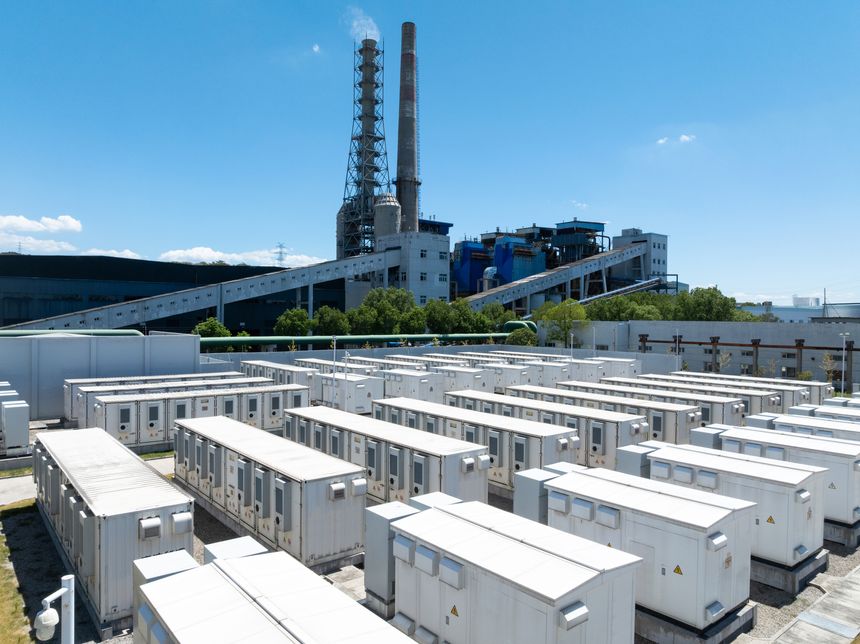
A recent breakthrough highlighted by Good News Network reveals that sodium-ion batteries currently being deployed in China are achieving performance levels comparable to many lithium-ion batteries, including those used in electric vehicles. Researchers found that these batteries match many of the production quality and performance metrics associated with established lithium technologies while relying on a far more abundant and widely available raw material.
Unlike lithium, which is concentrated in a handful of regions around the world, sodium can be sourced from common salt and is available in virtually every country. This abundance has the potential to reduce raw material costs, improve supply chain resilience, and lessen dependence on critical minerals that are often subject to price volatility and geopolitical pressures.
Beyond cost advantages, sodium-ion batteries are demonstrating several technical benefits. They perform particularly well in cold temperatures, offer strong safety characteristics, and may be well suited for grid-scale energy storage where affordability and reliability are often more important than maximizing driving range.
While sodium-ion technology is unlikely to replace lithium-ion batteries entirely, many experts envision a future where multiple battery chemistries coexist. Lithium may continue to dominate applications that require the highest energy density, while sodium could provide a lower-cost option for energy storage systems, commercial vehicles, and certain consumer applications.
The development serves as a reminder that sustainability is rarely driven by a single breakthrough. Instead, progress often comes from expanding the range of solutions available to address complex challenges. As the world works to electrify transportation, integrate renewable energy, and build more resilient infrastructure, innovations like sodium-ion batteries could play an important role in making clean energy technologies more accessible and affordable.
Sometimes the next big innovation isn't about discovering something rare. It's about finding new value in something that's been abundant all along.
/Passle/60211dc9e5416a0c14bc63d4/SearchServiceImages/2026-10-07-03-07-28-884-6ac5b770e2138e97236d8711.jpg)
/Passle/60211dc9e5416a0c14bc63d4/SearchServiceImages/2026-10-03-02-21-11-638-6ac066977c1a0b1c3a065bb9.jpg)
/Passle/60211dc9e5416a0c14bc63d4/SearchServiceImages/2026-09-27-17-44-10-859-6ab955eaef3ecc8443aa618d.jpg)
/Passle/60211dc9e5416a0c14bc63d4/SearchServiceImages/2026-10-14-08-11-38-961-6acf393a477453bcaa310c72.jpg)