


At the start of the 2000s, Beijing had about one million vehicles. Within a decade, that number had surged to five million, bringing severe traffic congestion and worsening air pollution. Smog from vehicle emissions and coal-fired power plants regularly blanketed the city, with dangerous levels of fine particulate pollution contributing to respiratory illnesses and poor visibility.
By 2010, Beijing ranked among the world's most polluted cities, and air pollution was linked to more than 1.2 million premature deaths across China. The public health impacts were widespread, increasing the risk of asthma, heart disease, stroke, cancer, and other serious illnesses, while highlighting the urgent need for cleaner transportation and stricter emissions controls.
Today, Beijing's skies are often blue instead of smog-filled. Once among the world's most polluted cities, it has dramatically improved its air quality, with PM2.5 levels dropping nearly 50% since 2010—one of the biggest improvements recorded worldwide.
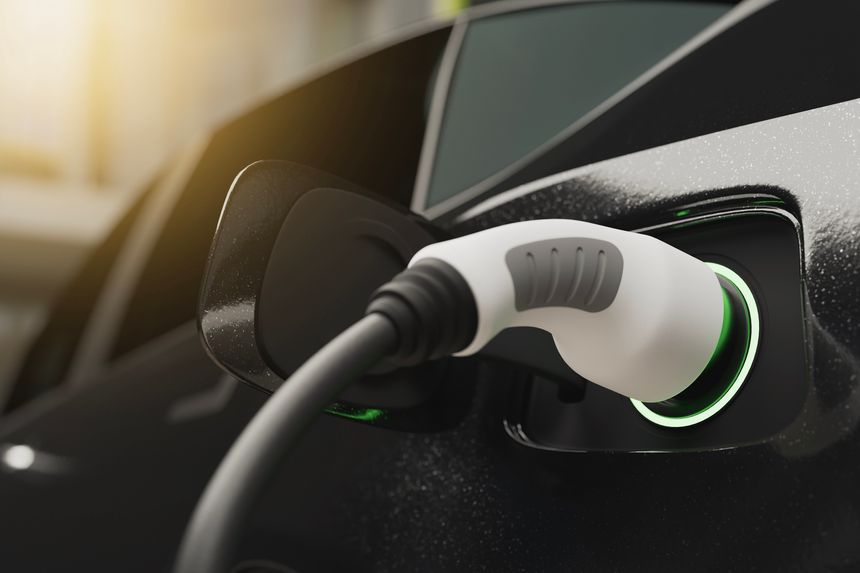
The turnaround is the result of aggressive clean-air policies, with the rapid adoption of electric vehicles playing a key role in reducing pollution.
https://reasonstobecheerful.world/electric-vehicles-air-quality-health/
/Passle/60211dc9e5416a0c14bc63d4/SearchServiceImages/2026-09-08-12-37-06-384-6aa00172d27ce9f0cbadefc5.jpg)
/Passle/60211dc9e5416a0c14bc63d4/SearchServiceImages/2026-09-10-00-52-25-316-6aa1ff49ff5bd9fb0fed759a.jpg)
/Passle/60211dc9e5416a0c14bc63d4/SearchServiceImages/2026-09-09-15-01-38-177-6aa174d2313dbadbe82c2a01.jpg)
/Passle/60211dc9e5416a0c14bc63d4/SearchServiceImages/2026-09-08-15-59-47-905-6aa030f3d27ce9f0cbae7a79.jpg)