

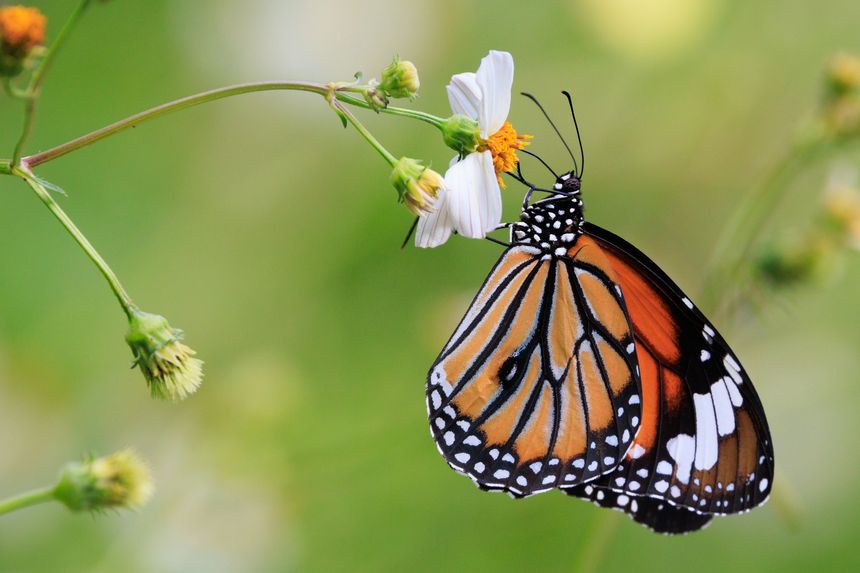
Recent research published in Nature has highlighted just how closely human wellbeing is tied to the natural world. Studying farming communities in Nepal, researchers found that insect pollinators contributed 44% of farming income and more than 20% of the intake of essential nutrients, including vitamin A, folate and vitamin E.
Many of us recognise the role of pollinators in supporting wildlife and healthy ecosystems, but this study offers a useful reminder that their value extends far beyond conservation. When pollinator populations decline, the impacts can be felt not only in fields and forests, but also in household incomes, nutrition and public health.
If you want to learn more about making your garden a safe haven for pollinators, read this recent BBEB article.
/Passle/60211dc9e5416a0c14bc63d4/SearchServiceImages/2026-09-03-15-41-56-326-6a9995447466c353608b5180.jpg)
/Passle/60211dc9e5416a0c14bc63d4/SearchServiceImages/2026-09-08-13-31-06-860-6aa00e1abf0283d03a3c6875.jpg)
/Passle/60211dc9e5416a0c14bc63d4/MediaLibrary/Images/2024-07-25-19-34-58-437-66a2a8e2012a075bf2d3886e.jpg)
/Passle/60211dc9e5416a0c14bc63d4/SearchServiceImages/2026-08-28-21-08-00-332-6a91f8b0de355275bbc2047e.jpg)