
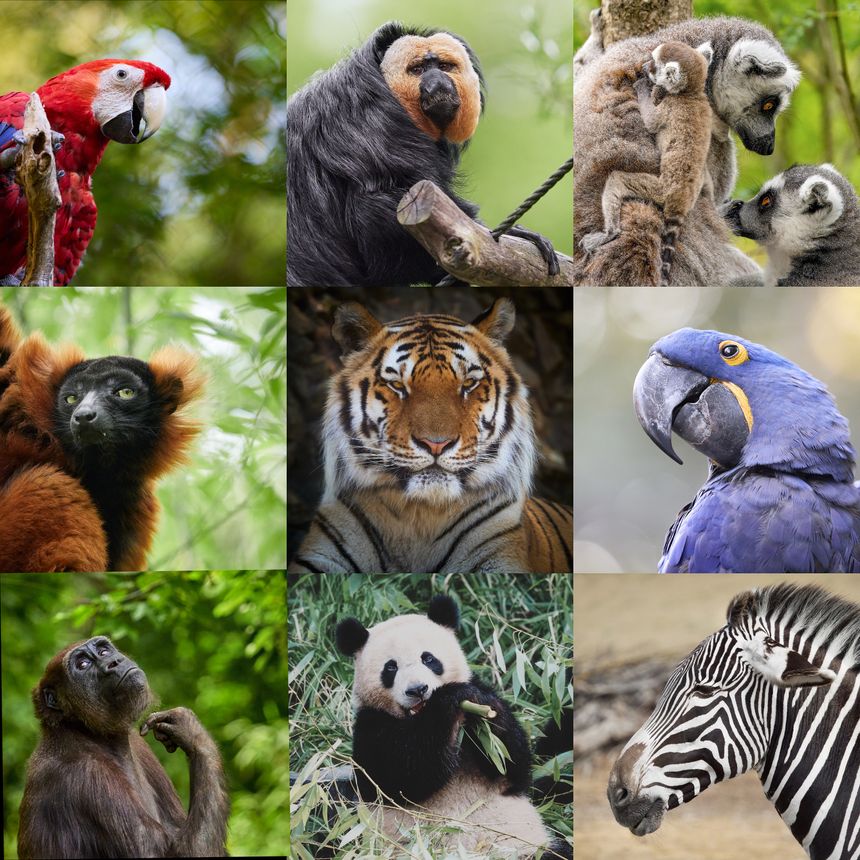
I have mixed feelings about zoos. On one hand, I enjoy seeing animals up close and learning about species I might never encounter in the wild, but I've always felt bad that many of those animals spend their lives in captivity. One of the biggest challenges for modern zoos is finding ways to keep animals mentally engaged and encourage behaviors that come naturally to them.
That's where technology is starting to make a real difference. Zoos are increasingly using smart habitats, interactive feeding systems, cameras, sensors, and other tools designed to make enclosures feel less like exhibits and more like natural environments. Instead of animals simply waiting for food to arrive, some systems encourage them to forage, explore, problem solve, and stay active throughout the day.
None of this turns a zoo into the open wilderness, of course. But it does represent a shift in how many facilities think about animal care. Rather than simply housing animals, the goal is increasingly to create environments that encourage curiosity, exploration, and natural behaviors. For those of us who have always wrestled with the idea of animals in captivity, that's at least a step in the right direction.
/Passle/60211dc9e5416a0c14bc63d4/SearchServiceImages/2026-09-08-15-59-47-905-6aa030f3d27ce9f0cbae7a79.jpg)
/Passle/60211dc9e5416a0c14bc63d4/SearchServiceImages/2026-09-04-10-40-38-568-6a9aa0260d5bc279697263a2.jpg)
/Passle/60211dc9e5416a0c14bc63d4/SearchServiceImages/2026-09-03-15-41-56-326-6a9995447466c353608b5180.jpg)
/Passle/60211dc9e5416a0c14bc63d4/SearchServiceImages/2026-09-08-13-31-06-860-6aa00e1abf0283d03a3c6875.jpg)