
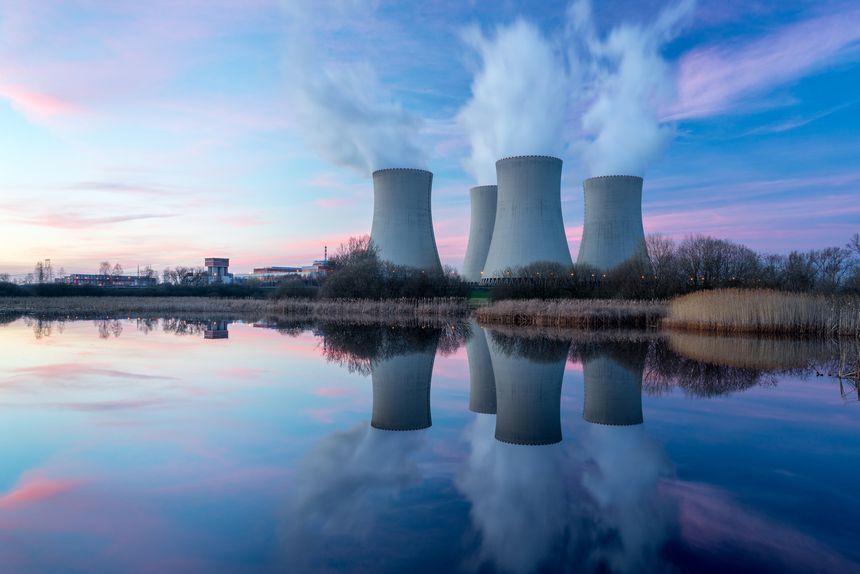
For decades, nuclear power has been the energy source that always seemed poised for a comeback, only to run into public opposition, cost overruns, or political hurdles. But this time, the momentum appears different. Countries around the world are moving forward with new reactors, reviving old projects, and making long-term plans that suggest nuclear energy may finally be regaining its place in the global power mix.
A big reason is simple economics and energy security. Nations are looking for reliable sources of electricity that don't produce carbon emissions and aren't dependent on fuel imports. Nuclear plants can generate massive amounts of power around the clock, making them an attractive complement to renewable sources like wind and solar, which depend on weather conditions.
Another factor is rapidly growing electricity demand. Data centers, artificial intelligence, and the ongoing electrification of transportation and industry are pushing power needs higher around the globe. As governments and utilities look ahead, many are concluding that meeting those demands without increasing emissions may require a lot more nuclear energy than previously expected.
Challenges remain. Nuclear plants are expensive to build, projects can take years to complete, and public concerns about safety and waste disposal have not disappeared. Still, after decades of stagnation, the conversation has shifted. What once seemed like a fading technology is increasingly being viewed as an important piece of the future energy puzzle.
/Passle/60211dc9e5416a0c14bc63d4/SearchServiceImages/2026-09-14-17-22-50-839-6aa82d6add088aaa425783d6.jpg)
/Passle/60211dc9e5416a0c14bc63d4/SearchServiceImages/2026-09-22-20-55-53-229-6ab2eb59e77aebe36a19438f.jpg)
/Passle/60211dc9e5416a0c14bc63d4/SearchServiceImages/2026-09-27-15-40-51-115-6ab939039006ba25977a837e.jpg)
/Passle/60211dc9e5416a0c14bc63d4/SearchServiceImages/2026-09-24-10-34-45-556-6ab4fcc5ce1e0391003c4632.jpg)