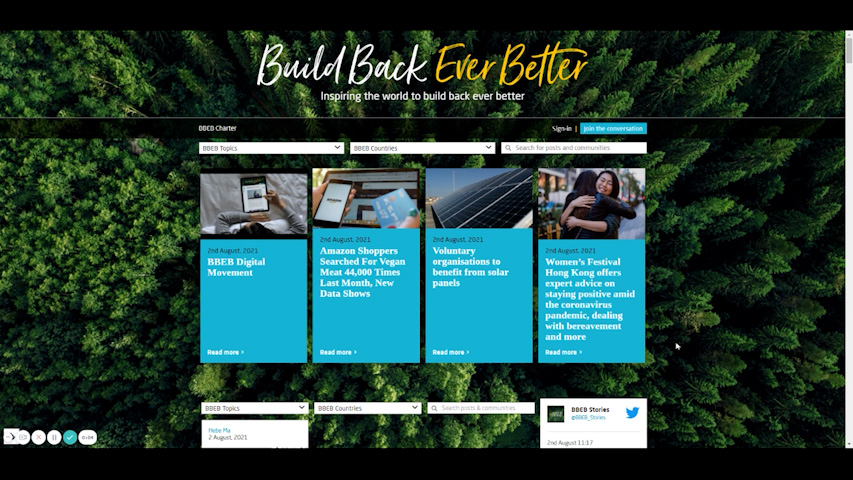


In today's eco-conscious world, brands are increasingly expected to move beyond mere rhetoric and take tangible action towards sustainability. A compelling article on Medium highlights this crucial shift, emphasizing that consumers are demanding more than greenwashing—they want authentic, measurable environmental efforts from the companies they support.
Leading brands are responding by integrating sustainability into their core operations. This includes reducing carbon footprints, adopting renewable energy, and ensuring ethical supply chains. Companies like Patagonia and IKEA are setting benchmarks by making sustainability a fundamental part of their business model, not just a marketing strategy.
Transparency is key in this transition. Brands are now providing detailed reports on their environmental impact, allowing consumers to make informed choices. Initiatives such as zero-waste production, biodegradable packaging, and carbon offset programs are becoming standard practice for forward-thinking companies.
Collaboration plays a vital role as well. By partnering with environmental organizations and engaging in community-driven projects, brands can amplify their positive impact. This collaborative approach not only enhances credibility but also fosters innovation in sustainability practices.
The article underscores that the future of business lies in genuine ecological responsibility. Brands that embrace this shift will not only benefit the planet but also gain long-term loyalty and trust from their customers.
/Passle/60211dc9e5416a0c14bc63d4/SearchServiceImages/2026-10-09-14-47-29-978-6ac8fe81bf2cf47546e7c7c8.jpg)
/Passle/60211dc9e5416a0c14bc63d4/SearchServiceImages/2026-10-16-15-04-20-057-6ad23cf4b378b0c78cece71b.jpg)
/Passle/60211dc9e5416a0c14bc63d4/SearchServiceImages/2026-10-16-11-16-08-226-6ad20778f0722e0f6fffd010.jpg)
/Passle/60211dc9e5416a0c14bc63d4/SearchServiceImages/2026-10-22-14-57-06-228-6ada2442594ea8e6e3b00785.jpg)