

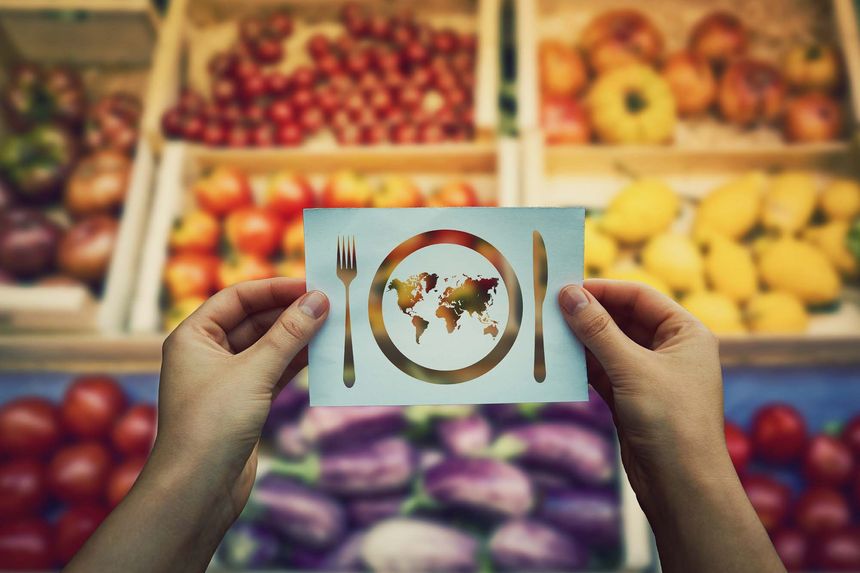
October 16 is World Food Day, a global observance dedicated to raising awareness about hunger, food security, nutrition, and sustainable agriculture. The day honors the founding of the Food and Agriculture Organization of the United Nations (FAO) in 1945 and has been celebrated worldwide since 1981.
World Food Day calls attention to the fact that despite producing enough food globally to feed everyone, many millions remain undernourished or hungry. Barriers such as poverty, conflict, climate disruption, inequality, and food waste prevent equitable access to nutritious diets.
The day also highlights that food is not just a commodity but a human right. Everyone deserves access to healthy, affordable, and safe food. Celebrating World Food Day means reflecting on how food systems work, how food is grown, distributed, consumed, and wasted, and how those systems can be more inclusive, sustainable, and resilient.
Around the world, communities' governments, NGOs, schools, and businesses mark the day with events, discussions, campaigns, and actions aimed at reducing hunger, improving nutrition, and promoting sustainability.
So why does it matter to each of us? Because the way we eat, the way food is produced, and the resources we waste affect not only our health but the health of our planet and the well-being of others. When more people, everywhere, have reliable access to nutritious food and when food systems are designed to be sustainable and fair, societies become stronger, healthier, and more just.
/Passle/60211dc9e5416a0c14bc63d4/MediaLibrary/Images/2024-07-25-19-34-58-437-66a2a8e2012a075bf2d3886e.jpg)
/Passle/60211dc9e5416a0c14bc63d4/SearchServiceImages/2026-08-28-21-08-00-332-6a91f8b0de355275bbc2047e.jpg)
/Passle/60211dc9e5416a0c14bc63d4/SearchServiceImages/2026-09-01-19-40-59-331-6a972a4bf9386af8ea707113.jpg)
/Passle/60211dc9e5416a0c14bc63d4/SearchServiceImages/2026-09-03-11-57-48-238-6a9960bc7466c353608a92a5.jpg)