

I love stories where a simple idea ends up delivering outsized results. Romania’s new recycling system is a great example of that kind of practical innovation.
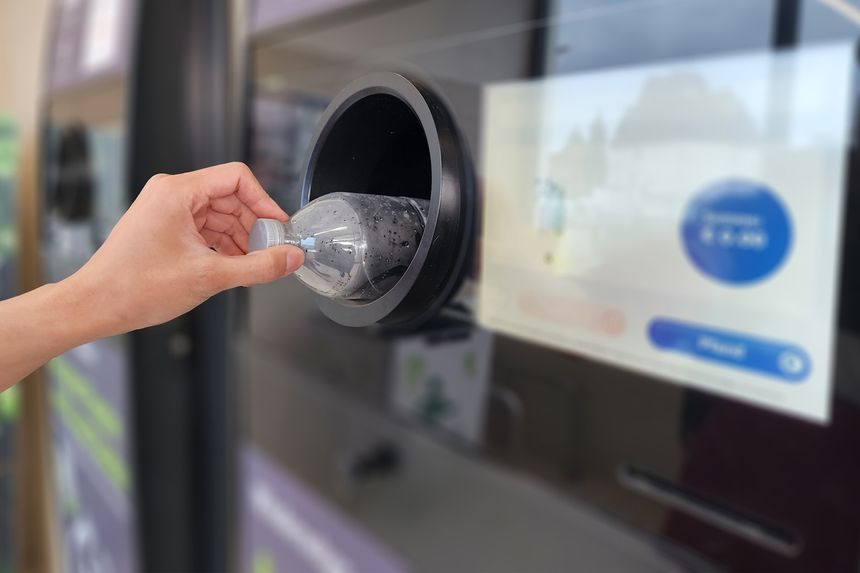
Not long ago, Romania ranked near the bottom of Europe’s recycling charts, with only about 1.3% of materials re-entering production from recycled sources. That began to change when the country launched a nationwide deposit return scheme for beverage containers. Consumers pay a small deposit of about 0.50 Romanian leu when buying a drink and receive it back when they return the empty bottle or can at collection machines in shops.
The concept is simple, but the results have been remarkable. In just a short time, billions of containers have been returned and more than half a million tonnes of high-quality recyclable material have been recovered. Surveys suggest that around 90% of Romanians have used the system at least once, showing how quickly people adopt sustainable habits when the process is easy and rewarding.
What I find most encouraging is how this program proves that circular economy ideas can scale. With strong collaboration between government, retailers, and manufacturers, Romania built one of the largest centralized deposit systems in the world.
Sometimes innovation is not about inventing new technology. It is about designing systems that make sustainable choices the easiest ones for people to make. Romania’s recycling turnaround shows how powerful that approach can be.
/Passle/60211dc9e5416a0c14bc63d4/MediaLibrary/Images/2024-07-25-19-34-58-437-66a2a8e2012a075bf2d3886e.jpg)
/Passle/60211dc9e5416a0c14bc63d4/SearchServiceImages/2026-08-28-21-08-00-332-6a91f8b0de355275bbc2047e.jpg)
/Passle/60211dc9e5416a0c14bc63d4/SearchServiceImages/2026-09-01-19-40-59-331-6a972a4bf9386af8ea707113.jpg)
/Passle/60211dc9e5416a0c14bc63d4/SearchServiceImages/2026-09-03-11-57-48-238-6a9960bc7466c353608a92a5.jpg)