

A new plant-based plastic that dissolves in seawater within hours sounds like the kind of breakthrough the world has been waiting for. But its real significance lies less in the material itself and more in what it reveals about how innovation is evolving.
For years, the conversation around plastics has focused on end-of-life solutions. Recycling systems, waste management, and cleanup efforts have all tried to deal with the problem after it happens. This development flips that logic. It designs failure into the material in a controlled way. If the plastic escapes into the ocean, it does not persist or fragment into microplastics. It simply disappears into harmless components.
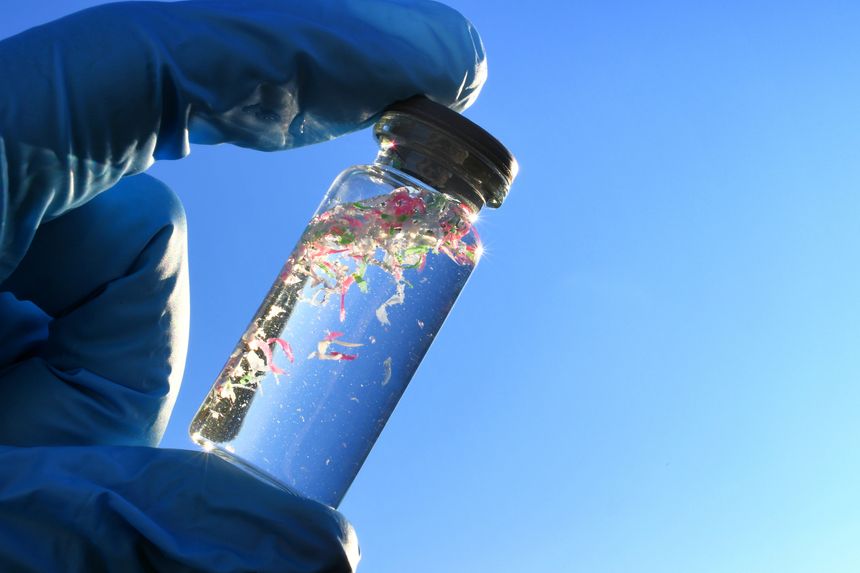
That shift matters because microplastics have become a systemic issue, now found across ecosystems and even in the human body. The problem is no longer just visible pollution, it is invisible and cumulative. Designing materials that account for real-world leakage acknowledges that perfect waste systems do not exist.
At the same time, this is not a silver bullet. The material still needs to scale, compete economically, and meet performance demands across industries. And even the researchers emphasize that reducing overall plastic use remains essential.
The broader takeaway is a shift in responsibility. Instead of expecting systems to contain materials, materials themselves are being engineered to behave responsibly when systems fail. That is a more realistic model for solving complex environmental challenges.
/Passle/60211dc9e5416a0c14bc63d4/MediaLibrary/Images/2024-07-25-19-34-58-437-66a2a8e2012a075bf2d3886e.jpg)
/Passle/60211dc9e5416a0c14bc63d4/SearchServiceImages/2026-08-28-21-08-00-332-6a91f8b0de355275bbc2047e.jpg)
/Passle/60211dc9e5416a0c14bc63d4/SearchServiceImages/2026-09-01-19-40-59-331-6a972a4bf9386af8ea707113.jpg)
/Passle/60211dc9e5416a0c14bc63d4/SearchServiceImages/2026-09-03-11-57-48-238-6a9960bc7466c353608a92a5.jpg)