
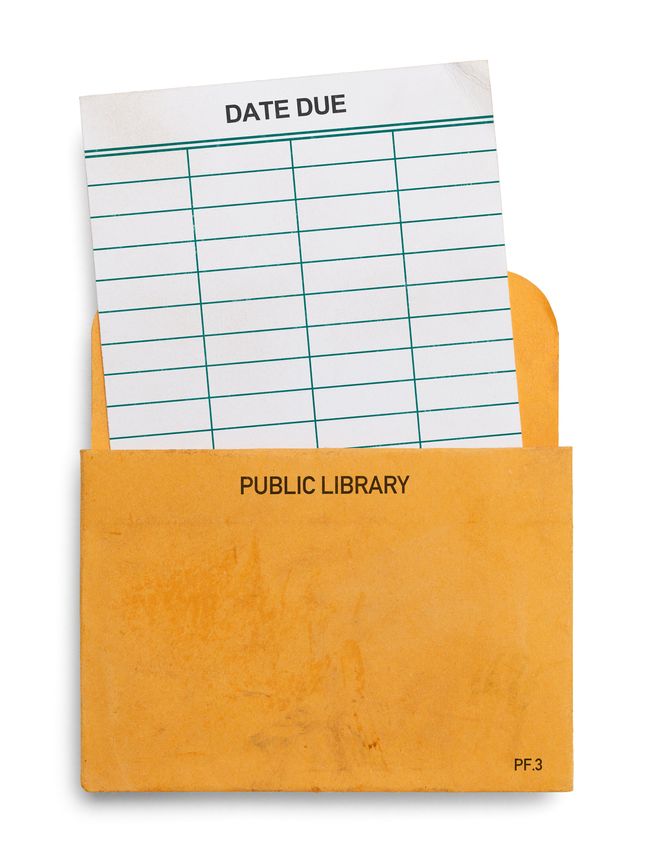
Chicago’s decision to turn every public school ID into a library card is a smart, high-impact way to expand access to learning. By eliminating separate sign-ups and paperwork, the city has instantly connected hundreds of thousands of students to books, digital resources, and academic support.
What makes this approach so effective is how it addresses barriers that often go unnoticed. Access is not just about having a library nearby. It is about how easy it is to use. For many students, especially in underserved communities, even small administrative hurdles can limit engagement. This initiative removes those friction points entirely, turning something students already carry into a direct pathway to knowledge.
There is also a broader signal in this move. It reinforces that education extends beyond the classroom and that curiosity should be supported wherever it happens. Libraries become a natural extension of the school environment, not a separate system students have to navigate on their own.
It is a model grounded in practicality and scale. Other cities could replicate this without major infrastructure changes. Sometimes progress comes not from creating new systems, but from making existing ones more accessible, more intuitive, and more inclusive for the people who need them most.
/Passle/60211dc9e5416a0c14bc63d4/SearchServiceImages/2026-09-27-17-44-10-859-6ab955eaef3ecc8443aa618d.jpg)
/Passle/60211dc9e5416a0c14bc63d4/SearchServiceImages/2026-10-14-08-11-38-961-6acf393a477453bcaa310c72.jpg)
/Passle/60211dc9e5416a0c14bc63d4/MediaLibrary/Images/2026-10-06-15-14-19-675-6ac5104b954097bad89367d7.jpg)
/Passle/60211dc9e5416a0c14bc63d4/SearchServiceImages/2026-10-05-13-05-26-086-6ac3a0967533beb6e63d4d89.jpg)