
Food waste is often discussed as an environmental issue, but increasingly it is becoming a question of infrastructure, logistics, and community resilience. The latest expansion of Lidl GB’s partnership with Neighbourly, now integrating the food-sharing platform Olio, reflects how retailers are starting to rethink surplus food not as waste, but as a resource that still holds social value.
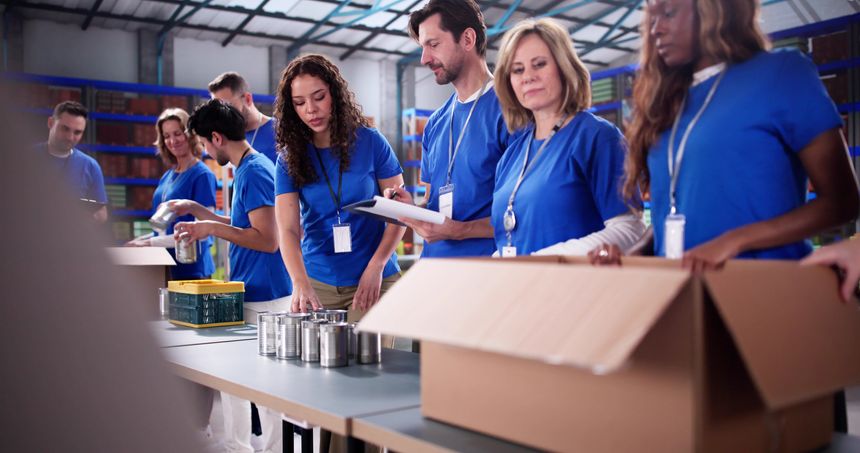
The model itself is relatively simple. Surplus food from Lidl stores, including chilled items and bakery products, can now be collected by Olio’s volunteer “Food Waste Heroes” and redistributed directly within local communities. What makes this significant is the additional layer it creates within the redistribution chain. Traditional charity networks remain central, but technology and community participation are helping close the gap for food that might otherwise go unused due to timing, storage, or logistical limitations.
This matters because food waste and food insecurity continue to exist side by side. Retailers are under growing pressure to reduce emissions linked to discarded food while also responding to rising living costs and increasing demand for food support services. Programmes like this show that progress does not always require entirely new systems. Sometimes it comes from connecting existing networks more intelligently.
There is also a broader lesson here for sustainability strategies. The most effective circular economy initiatives are often the ones that make participation easy. By combining retailer infrastructure, digital platforms, and local volunteers, Lidl, Neighbourly, and Olio are demonstrating how sustainability can become operational, measurable, and community-driven at the same time.
/Passle/60211dc9e5416a0c14bc63d4/SearchServiceImages/2026-09-14-14-30-51-508-6aa8051bdd088aaa4256dec9.jpg)

/Passle/60211dc9e5416a0c14bc63d4/SearchServiceImages/2026-09-17-13-19-13-754-6aabe8d1d83deebed6798420.jpg)