
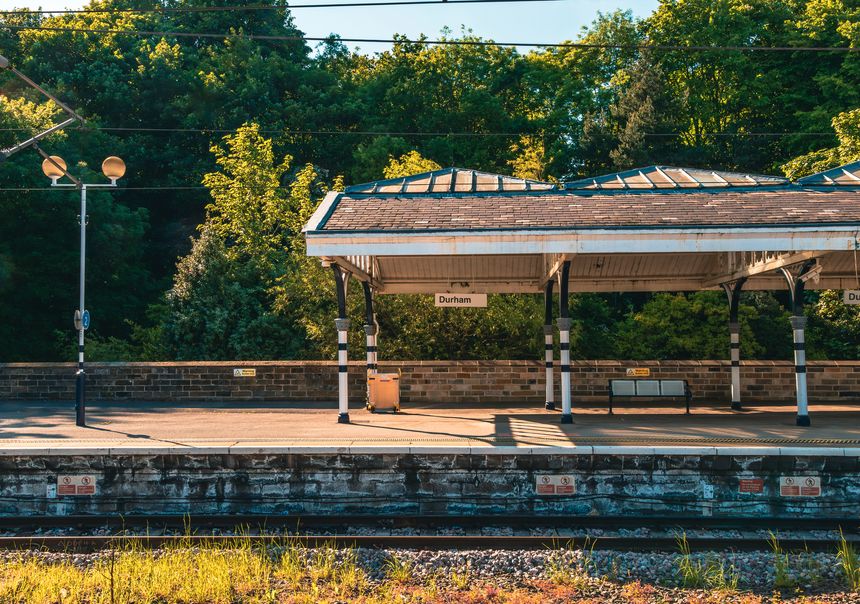
A train station kept open for a single passenger sounds almost implausible in a system built on efficiency. Yet stories like the one linked trace back to a real case in Japan, where a rural station continued operating to support a student’s commute until she graduated.
What gives this story weight is not the logistical detail, but the underlying choice it represents. Infrastructure is typically optimized for scale, throughput, and cost recovery. A stop that serves one person fails every conventional metric. Keeping it open anyway reframes the purpose of public systems. It suggests that access, particularly to something like education, can outweigh efficiency when priorities are clearly defined.
There is also a broader signal about how societies measure value. Not everything that matters can be justified through volume or return on investment. In rural or underserved areas, a single connection point can determine whether opportunity is accessible at all. Removing it may be rational on paper, but consequential in practice.
At the same time, these decisions are rare for a reason. Most systems cannot sustain this kind of exception at scale. That tension is what makes the story resonate. It highlights the gap between how systems are designed and how people actually experience them.
In that gap sits a more nuanced question: when efficiency conflicts with access, which one defines success?
/Passle/60211dc9e5416a0c14bc63d4/SearchServiceImages/2026-09-08-15-59-47-905-6aa030f3d27ce9f0cbae7a79.jpg)
/Passle/60211dc9e5416a0c14bc63d4/SearchServiceImages/2026-09-09-15-01-38-177-6aa174d2313dbadbe82c2a01.jpg)
/Passle/60211dc9e5416a0c14bc63d4/SearchServiceImages/2026-09-04-10-40-38-568-6a9aa0260d5bc279697263a2.jpg)
/Passle/60211dc9e5416a0c14bc63d4/SearchServiceImages/2026-09-03-15-41-56-326-6a9995447466c353608b5180.jpg)