

There’s something quietly powerful about this story. A child playing by a river, lifting a discarded mat, and suddenly coming face to face with one of the rarest creatures on Earth. In a world where biodiversity loss often feels abstract, this moment makes it tangible. One small action, one curious instinct, and a life was quite literally pulled back from the edge.
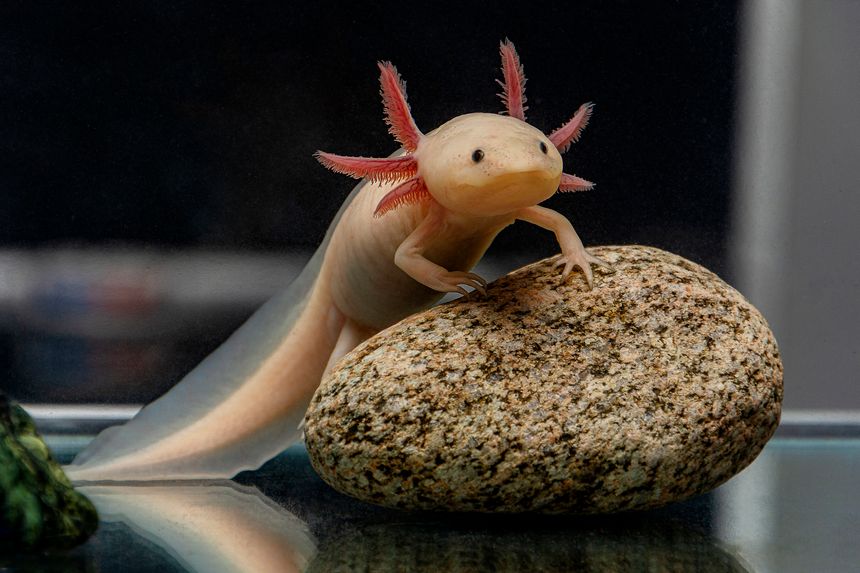
The axolotl, a critically endangered species native to Mexico, should never have been in that Welsh river. Its presence is a reminder of the unintended consequences of human behavior, particularly the growing trend of exotic pets. Experts believe it was likely abandoned, and without intervention, it would not have survived long in the wild.
But what stands out here is not just the problem, it’s the response. A 10-year-old recognized something unusual, acted decisively, and then did the work to learn how to care for it properly. That combination of curiosity and responsibility is exactly what conservation needs more of.
Stories like this shift the narrative. They remind us that environmental stewardship isn’t reserved for scientists or policymakers. It can start with awareness, with paying attention, and with choosing to act.
Sometimes, protecting the planet looks less like grand strategy and more like a child refusing to ignore what others might walk past.
/Passle/60211dc9e5416a0c14bc63d4/SearchServiceImages/2026-10-16-11-16-08-226-6ad20778f0722e0f6fffd010.jpg)
/Passle/60211dc9e5416a0c14bc63d4/SearchServiceImages/2026-10-22-14-57-06-228-6ada2442594ea8e6e3b00785.jpg)
/Passle/60211dc9e5416a0c14bc63d4/SearchServiceImages/2026-10-15-08-01-34-892-6ad0885ed13e4bbdf6a6a870.jpg)
/Passle/60211dc9e5416a0c14bc63d4/SearchServiceImages/2026-10-06-17-19-56-342-6ac52dbc4e3377a132b46e72.jpg)




