

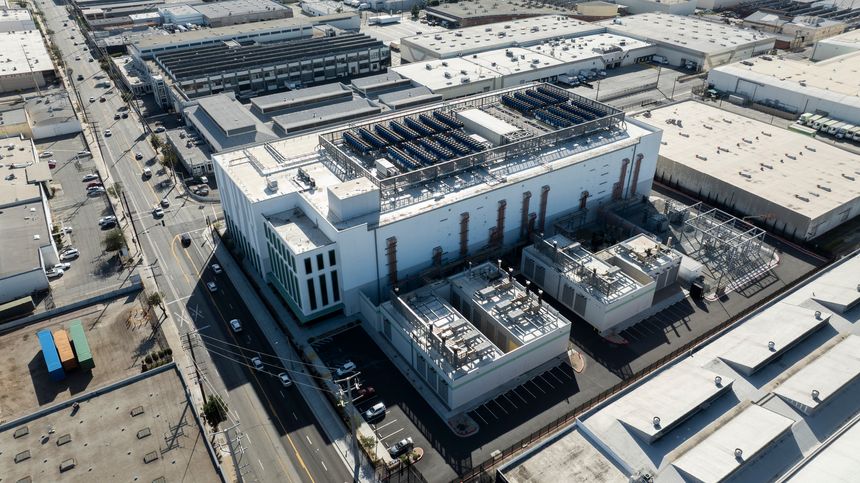
Meta’s US$1bn Tulsa data centre highlights one of the defining tensions of the AI era: the technologies driving digital transformation are also dramatically increasing demand for energy and water. The question is no longer whether AI infrastructure will expand, but whether it can scale responsibly.
What makes this project notable is that sustainability is being treated as part of the infrastructure design itself, not just an offset added later. Meta says the facility will match 100% of its electricity use with clean energy added to the grid and is pairing the project with long-term water restoration initiatives tied to agricultural efficiency. That reflects a broader shift in how hyperscale data centres are being positioned, increasingly as integrated energy and resource systems rather than isolated buildings.
The timing matters. AI demand is accelerating global data centre expansion at unprecedented speed, and concerns around electricity consumption, cooling requirements, and local resource strain are growing just as quickly. Communities are beginning to question what these facilities consume relative to what they contribute.
That is why projects like this carry significance beyond a single site in Oklahoma. They are early indicators of how the next generation of digital infrastructure may need to operate. Future competitiveness will likely depend not only on compute power, but on how efficiently companies manage energy, water, and community impact simultaneously.
The broader takeaway is that sustainability is becoming inseparable from AI infrastructure strategy. As digital growth accelerates, the companies that succeed will be the ones able to scale technology without scaling environmental pressure at the same rate.
/Passle/60211dc9e5416a0c14bc63d4/SearchServiceImages/2026-09-14-13-51-59-114-6aa7fbff942e1ead4d7a6bb3.jpg)
/Passle/60211dc9e5416a0c14bc63d4/SearchServiceImages/2026-09-14-11-29-34-455-6aa7da9e162ac4d6485e94ed.jpg)
/Passle/60211dc9e5416a0c14bc63d4/MediaLibrary/Images/2026-09-17-13-58-04-341-6aabf1ecd83deebed679a4a3.png)
/Passle/60211dc9e5416a0c14bc63d4/SearchServiceImages/2026-09-15-17-58-27-875-6aa987430810fd5205abc3e8.jpg)




