

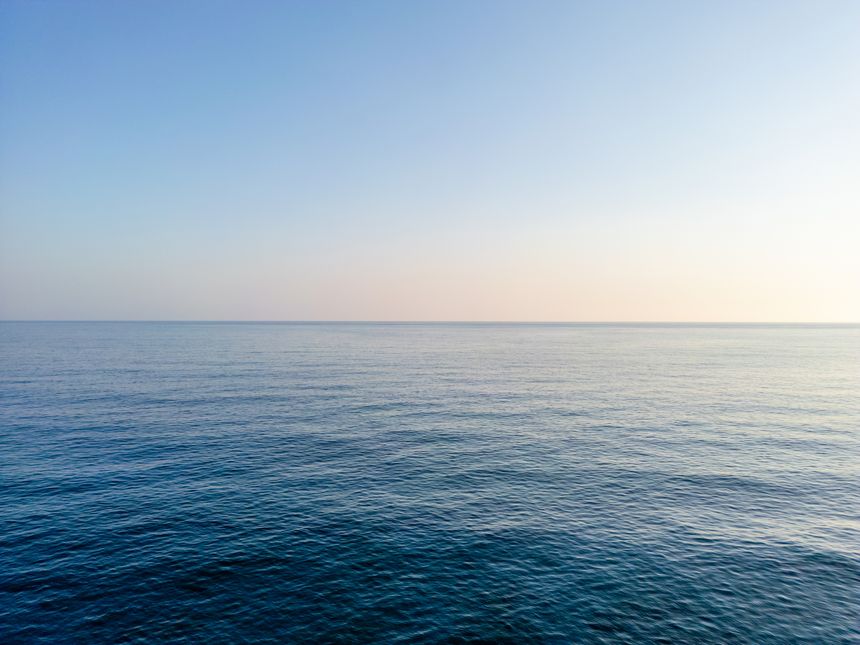
The idea of a “half-planet-size gap” in global governance is striking, but it captures a very real problem. For decades, vast areas of the high seas have existed outside meaningful regulatory frameworks, leaving ecosystems exposed to overfishing, pollution, and unchecked exploitation. What this new treaty represents is not just policy progress, but a long-overdue attempt to bring structure to one of the least governed spaces on Earth.
What makes this moment significant is how it reflects a broader shift in how we think about global responsibility. Oceans have always felt distant, almost abstract, yet they are central to climate regulation, biodiversity, and global food systems. The absence of governance was never about lack of importance, but rather the complexity of aligning international interests across borders and industries.
There is something encouraging in seeing that complexity begin to give way to coordination. Global governance is often criticized for being fragmented and slow-moving, especially when it comes to environmental challenges that do not respect national boundaries. This agreement suggests that, when the stakes are high enough, collective action is still possible.
It also raises a bigger question. If the world can come together to address governance gaps in the oceans, what other “invisible gaps” exist in how we manage shared global resources? Progress here may be less about closing one gap, and more about proving that closing others is still within reach.
/Passle/60211dc9e5416a0c14bc63d4/SearchServiceImages/2026-09-27-17-44-10-859-6ab955eaef3ecc8443aa618d.jpg)
/Passle/60211dc9e5416a0c14bc63d4/SearchServiceImages/2026-10-14-08-11-38-961-6acf393a477453bcaa310c72.jpg)
/Passle/60211dc9e5416a0c14bc63d4/MediaLibrary/Images/2026-10-06-15-14-19-675-6ac5104b954097bad89367d7.jpg)
/Passle/60211dc9e5416a0c14bc63d4/SearchServiceImages/2026-10-05-13-05-26-086-6ac3a0967533beb6e63d4d89.jpg)