

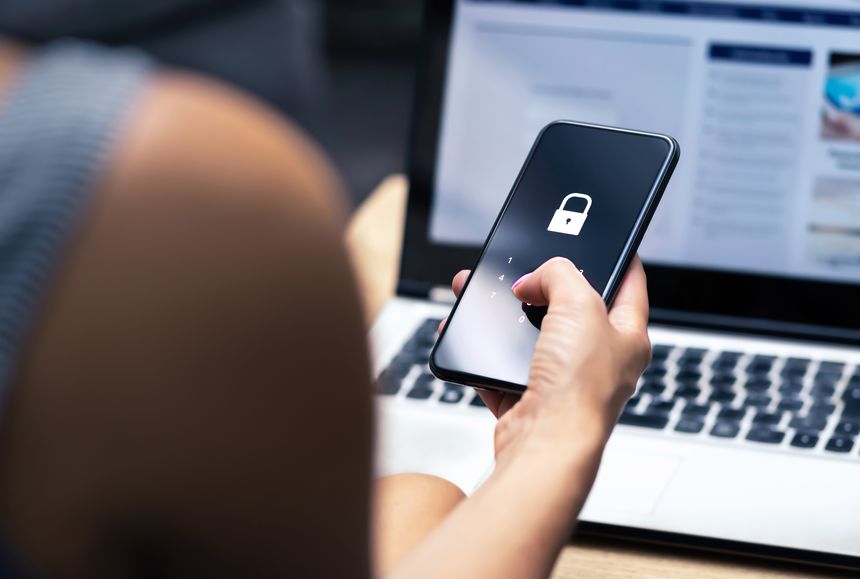
You know those six-digit codes that get texted to your phone when you’re logging into an account? They’ve been the go-to security tool for years. But experts now say it’s time to move on—because those codes just aren’t as safe as they used to be.
Here’s the problem: text messages can be intercepted. Hackers can pull off tricks like SIM swapping, where they convince your phone carrier to transfer your number to their device. Suddenly, they’re getting your security codes and breaking into your accounts. And because these codes aren’t encrypted, they’re easier to steal than you might think.
Cybersecurity officials, including those from the U.S. government, are encouraging people to ditch SMS-based security and upgrade to better options—namely authenticator apps or passkeys.
Authenticator apps (like Google Authenticator or Microsoft Authenticator) generate a new code every 30 seconds directly on your phone. There’s no message sent over a network, which means nothing for hackers to intercept.
Passkeys take it a step further by eliminating passwords altogether. They let you log in using facial recognition, a fingerprint, or a PIN. Big tech companies like Apple and Google are already rolling them out across platforms.
The takeaway? Text codes were a good start, but better tools are now available—and they’re easier to use than you might think. Switching to an authenticator app or a passkey is a simple way to stay ahead of cyber threats and keep your digital life safer.
/Passle/60211dc9e5416a0c14bc63d4/MediaLibrary/Images/2024-07-25-19-34-58-437-66a2a8e2012a075bf2d3886e.jpg)
/Passle/60211dc9e5416a0c14bc63d4/SearchServiceImages/2026-08-28-21-08-00-332-6a91f8b0de355275bbc2047e.jpg)
/Passle/60211dc9e5416a0c14bc63d4/SearchServiceImages/2026-09-01-19-40-59-331-6a972a4bf9386af8ea707113.jpg)
/Passle/60211dc9e5416a0c14bc63d4/SearchServiceImages/2026-09-03-11-57-48-238-6a9960bc7466c353608a92a5.jpg)