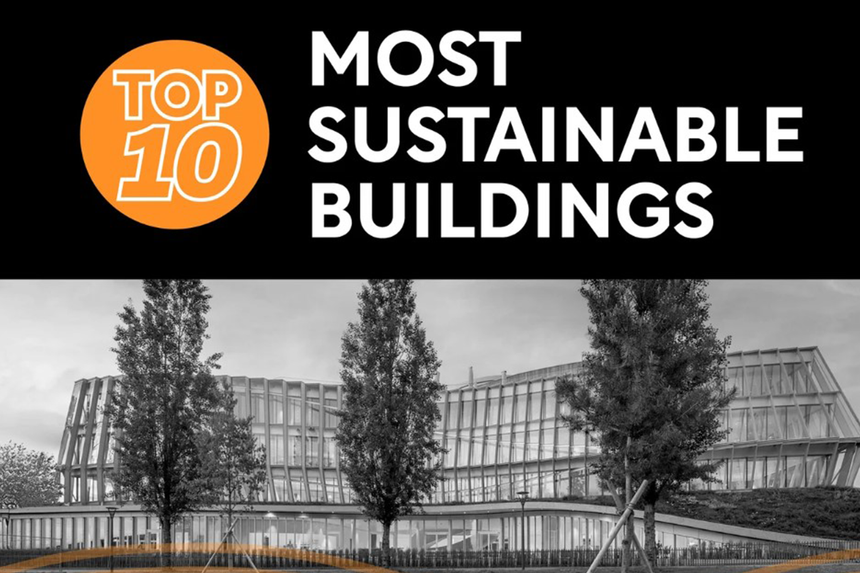
The architectural world is witnessing something remarkable: buildings that not only shelter and serve but actively regenerate the environment. According to Sustainability Magazine’s “Top 10 Most Sustainable Buildings for 2025,” by Jasmin Jessen, structures such as the International Olympic Committee’s Olympic House in Lausanne and Taipei 101 in Taiwan exemplify this shift toward eco-centric design. These leaders showcase features like net-zero energy systems, smart façades, vertical gardens, rainwater harvesting, and advanced indoor air quality controls, turning once-passive buildings into vibrant engines of sustainability.
What strikes me most is how these buildings blend innovation with scalability. They integrate renewable energy, passive ventilation, precision sensors, and green infrastructure in unified systems. The sustainable features go beyond checkboxes; they reflect a holistic strategy where architecture, technology, and nature converge. Whether it’s London City Hall’s dual certifications or DS Group’s Noida headquarters combining workspace, R&D, and manufacturing, these examples highlight that sustainability can and should be woven into every facet of design and operations.
This movement holds enormous potential for businesses of all sizes. By championing similarly ambitious standards, such as energy-positive design, adaptive façades, or bio-based materials, organisations can transform their campuses and offices into climate solutions. These buildings not only reduce operational costs and emissions but also enhance occupant health and brand credibility.
As a passionate advocate for sustainability, I am excited by how architecture is leading the charge toward a regenerative future, one blueprint at a time.
The top sustainable buildings making a positive impact include the IOC’s Olympic House, skyscraper Taipei 101, DS Group’s headquarters and London City Hall
https://sustainabilitymag.com/top10/top-10-most-sustainable-buildings-2025
 unknownx500

/Passle/5e4a7839abdfeb03584d01f6/SearchServiceImages/2026-03-16-09-35-33-433-69b7cee5501e7107b3c413a9.jpg)
/Passle/5e4a7839abdfeb03584d01f6/MediaLibrary/Images/2024-09-17-14-42-02-639-66e9953a57365e217f48781f.jpg)
/Passle/5e4a7839abdfeb03584d01f6/MediaLibrary/Images/2025-09-15-22-37-38-069-68c89532385d1737713d927c.jpg)


/Passle/60211dc9e5416a0c14bc63d4/SearchServiceImages/2026-06-12-19-54-45-128-6a2c6405c607355fa8a53cf0.jpg)