

Reading about "guilt-free safaris" feels like a breath of fresh air, both literally and figuratively. As someone who has had a safari trip on her bucket list for years but worries about tourism's impact on fragile ecosystems, this movement feels especially meaningful.
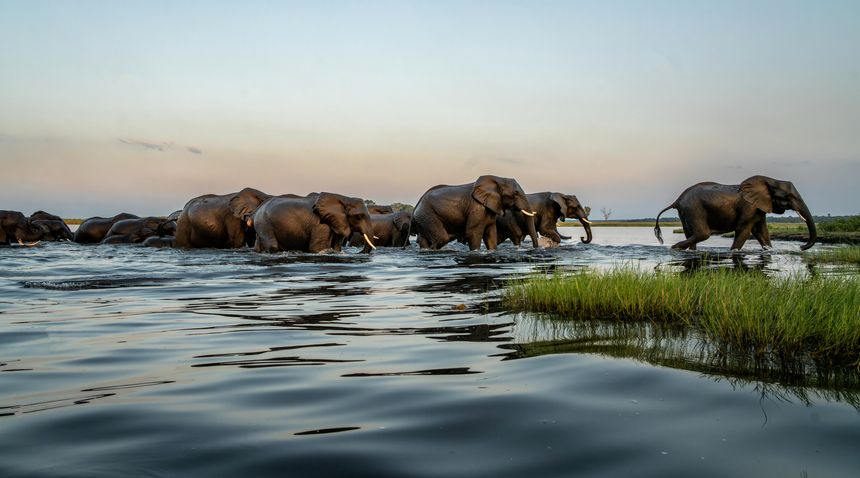
The article highlights the hidden pitfalls of traditional safaris: unverified "carbon-neutral" claims, off-road drives that damage sensitive habitats, and emissions that often go uncounted. Yet, there is hope. Travellers can still enjoy those incredible wildlife encounters, like seeing lions at sunrise or elephants by a watering hole, without harming the environment or local communities.
It is not just about offsetting flights. It involves seeking out lodges with credible certifications, renewable energy use, and strong community partnerships. Places like Segera, with their 4Cs model focused on community, conservation, culture, and commerce, show how tourism can support both nature and livelihoods.
What excites me most is the rise of regenerative safaris. These trips allow travellers to take part in conservation efforts, such as protecting elephant migration routes in Samburu or supporting rhino preservation in Northern Kenya. This approach turns visitors into active stewards of the places they explore.
/Passle/60211dc9e5416a0c14bc63d4/MediaLibrary/Images/2024-07-25-19-34-58-437-66a2a8e2012a075bf2d3886e.jpg)
/Passle/60211dc9e5416a0c14bc63d4/SearchServiceImages/2026-08-28-21-08-00-332-6a91f8b0de355275bbc2047e.jpg)
/Passle/60211dc9e5416a0c14bc63d4/SearchServiceImages/2026-09-01-19-40-59-331-6a972a4bf9386af8ea707113.jpg)
/Passle/60211dc9e5416a0c14bc63d4/SearchServiceImages/2026-09-03-11-57-48-238-6a9960bc7466c353608a92a5.jpg)