
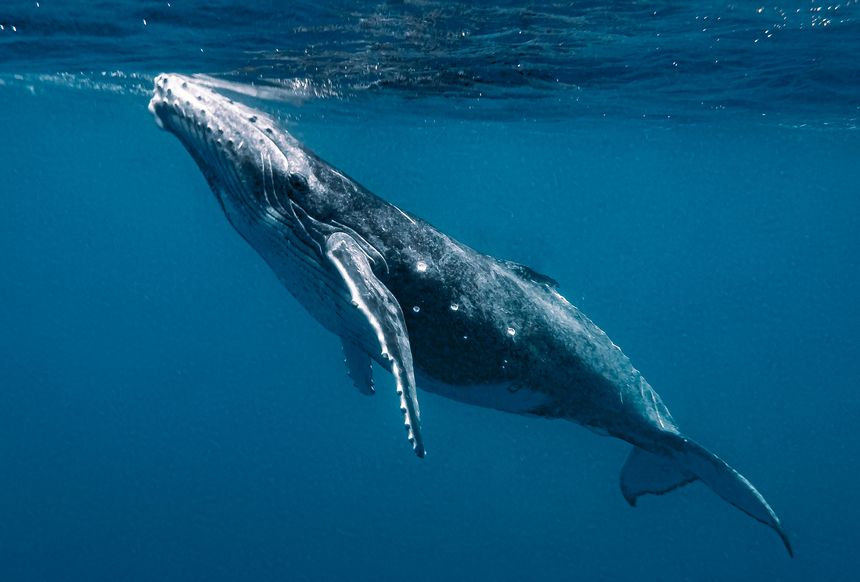
I enjoyed reading about how drones are being used to monitor whales. It is a great example of how relatively simple technology can unlock entirely new ways of understanding wildlife. Researchers are now flying drones over marine mammals to place temporary suction-cup telemetry tags that collect data on movement and behavior. The approach allows scientists to gather detailed information while minimizing disturbance to the animals, which has always been one of the biggest challenges in whale research.
What struck me most is how practical the technology has become. Drones are smaller, more precise, and far easier to deploy than traditional aircraft or boat-based tagging efforts. A carefully piloted drone can approach from above, place a tag, and leave the animal largely undisturbed. That combination of efficiency and reduced stress for the whale feels like a genuine step forward for marine science.
Innovation in conservation often comes from adapting tools that were originally built for something else. In this case, aerial robotics are opening new possibilities for studying migration patterns, health indicators, and population trends. The more data researchers can collect, the better equipped we are to protect these animals in a changing ocean.
It is encouraging to see technology used in such a thoughtful way. Sometimes progress is not about building something bigger, but about getting closer to the natural world without disrupting it.
/Passle/60211dc9e5416a0c14bc63d4/SearchServiceImages/2026-10-22-14-57-06-228-6ada2442594ea8e6e3b00785.jpg)
/Passle/60211dc9e5416a0c14bc63d4/SearchServiceImages/2026-10-15-08-01-34-892-6ad0885ed13e4bbdf6a6a870.jpg)
/Passle/60211dc9e5416a0c14bc63d4/SearchServiceImages/2026-10-06-17-19-56-342-6ac52dbc4e3377a132b46e72.jpg)
/Passle/60211dc9e5416a0c14bc63d4/SearchServiceImages/2026-10-05-15-09-50-332-6ac3bdbeb62340ff37b1cbcb.jpg)