

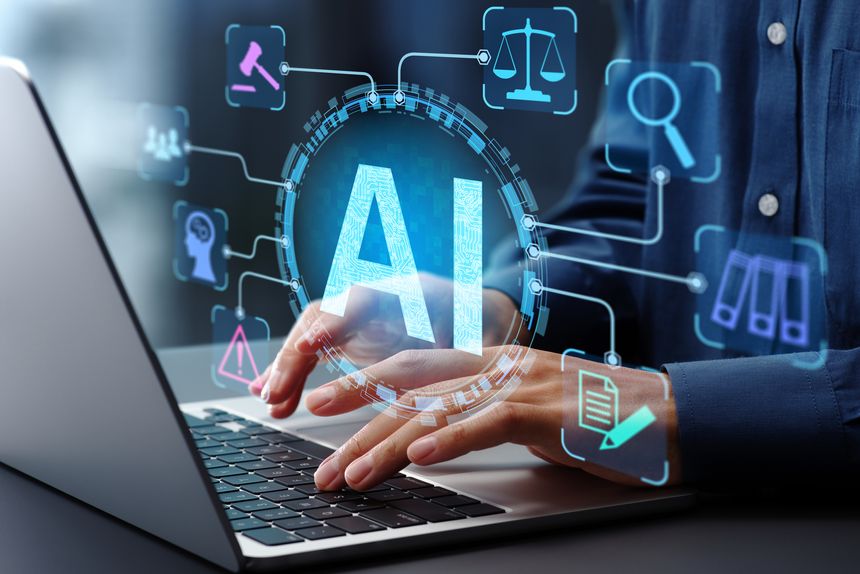
Artificial Intelligence (AI) is ubiquitous, and in many cases, it enhances our lives. For instance, the Be My AI feature from Be My Eyes enables me to use AI to receive descriptions of images. While AI isn’t flawless, and we must exercise caution when sharing sensitive information like my bank statement, it has undoubtedly positively impacted my life.
However, the challenge arises when AI development doesn’t consider the broader societal impact. This can lead to biases. For example, disabled individuals face difficulties in employment. With the increasing integration of AI in the hiring process, there’s evidence of bias against disabled candidates, potentially filtering them out before interviews. If AI isn’t designed to eliminate bias, it will exacerbate it and exclude even more disabled individuals from the workplace.
As we use AI, it’s crucial to be aware of potential biases and take steps to counteract them.
Microsoft and Be My Eyes are collaborating to address bias in AI targeting blind and partially sighted individuals. More targeted efforts are necessary to address bias in AI models.
/Passle/60211dc9e5416a0c14bc63d4/MediaLibrary/Images/2024-07-25-19-34-58-437-66a2a8e2012a075bf2d3886e.jpg)
/Passle/60211dc9e5416a0c14bc63d4/SearchServiceImages/2026-08-28-21-08-00-332-6a91f8b0de355275bbc2047e.jpg)
/Passle/60211dc9e5416a0c14bc63d4/SearchServiceImages/2026-09-01-19-40-59-331-6a972a4bf9386af8ea707113.jpg)
/Passle/60211dc9e5416a0c14bc63d4/SearchServiceImages/2026-09-03-11-57-48-238-6a9960bc7466c353608a92a5.jpg)