

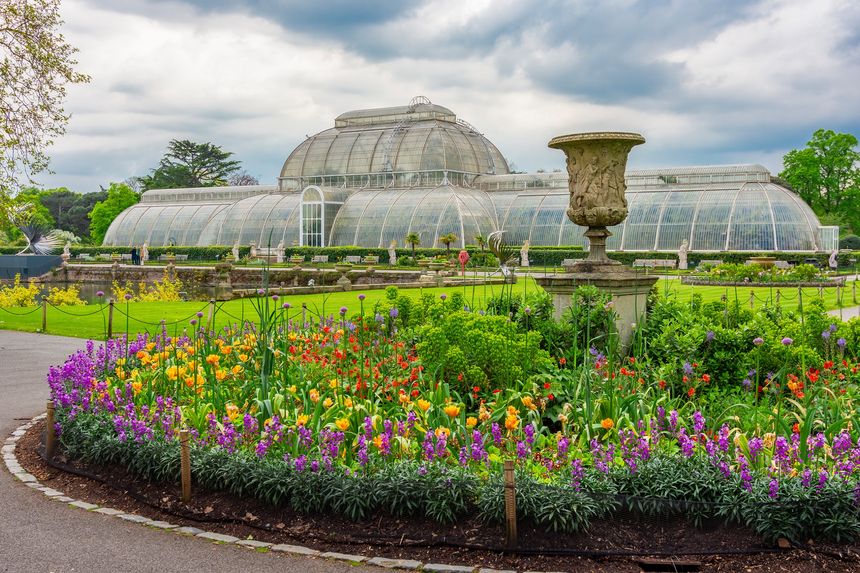
Kew Gardens, home to more than 50,000 plant species across its sprawling 300-acre landscape, is aiming even higher than conservation: it's on a bold mission to become climate positive by 2030. That means going beyond carbon neutral and actually offsetting more emissions than it produces, a truly inspiring goal.
To make that vision real, Kew has teamed up with Schneider Electric as its Energy Sustainability Partner to tackle everything from fossil fuel dependence to energy resilience in its historic buildings. Schneider is placing an energy-optimisation engineer right on site at both Kew Gardens and Wakehurst to identify where energy use can improve, from better HVAC controls to pilot microgrids or battery storage.
What is exciting here is not just the ambition, it is the hands-on strategy. It is one thing to set a target; it is another to deploy real people and tailored tech solutions in support of it. Kew is leveraging its power as a world-renowned botanical institution to show that biodiversity, heritage, and climate action can go hand in hand. Watching how this partnership unfolds over the next five years will be a fascinating journey that could inspire similar institutions around the world.
/Passle/60211dc9e5416a0c14bc63d4/MediaLibrary/Images/2024-07-25-19-34-58-437-66a2a8e2012a075bf2d3886e.jpg)
/Passle/60211dc9e5416a0c14bc63d4/SearchServiceImages/2026-08-28-21-08-00-332-6a91f8b0de355275bbc2047e.jpg)
/Passle/60211dc9e5416a0c14bc63d4/SearchServiceImages/2026-09-01-19-40-59-331-6a972a4bf9386af8ea707113.jpg)
/Passle/60211dc9e5416a0c14bc63d4/SearchServiceImages/2026-09-03-11-57-48-238-6a9960bc7466c353608a92a5.jpg)