


Around 1.3 billion people live with a disability, making it a global community rather than a side-note audience. The most powerful accessibility breakthroughs often arrive not as specialised “specialist kit,” but as mainstream products that simply happen to fit us perfectly.
Hair Styling, One-Handed
Dyson’s Airwrap i.d. transformed hair styling for Jessica Smith, born without a left forearm. Smart sensors and app presets made one-handed curling smooth and effortless, reducing the need for fiddling with buttons. Despite not being branded as assistive, it has become exactly that.
Lipstick With Steady Hands
L’Oréal’s HAPTA, a lipstick wand with a gyroscope and rotating magnetic head, was inspired by cutlery designed for shaky hands. It brings dignity and ease to beauty routines for people with limited mobility, making it more than just makeup—it’s independence.
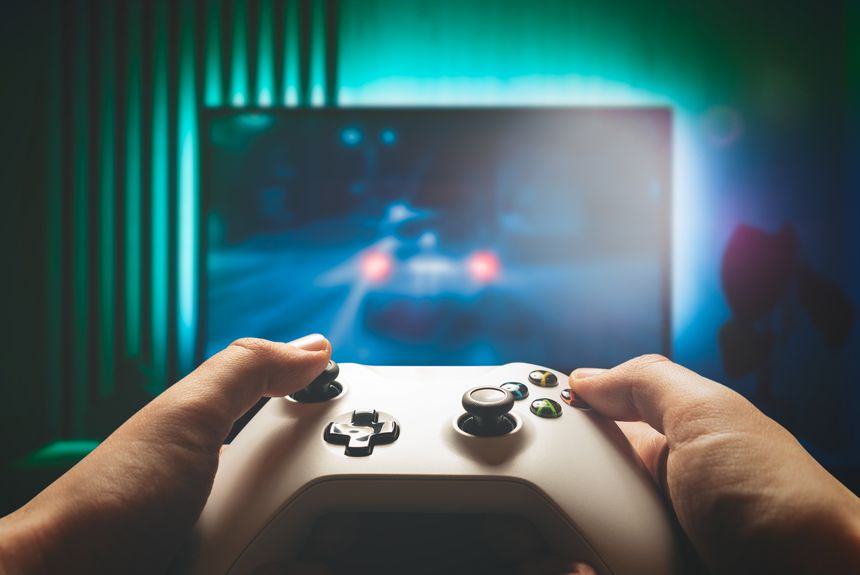
Gaming Without Limits
Microsoft’s Xbox Adaptive Controller strips controls back to oversized buttons and ports that link with any input, such as foot pedals, sip-and-puff, and switches. It’s not just about gaming; it’s about being included at the table where play happens.
Quiet Accessibility
None of these products wear “accessibility” labels. They simply solve problems smartly, widening the circle of inclusion. The lesson is to design broadly, as unexpected doors open. Accessibility doesn’t have to be loud; sometimes, it’s simply there, waiting to be noticed.
/Passle/60211dc9e5416a0c14bc63d4/SearchServiceImages/2026-09-08-15-59-47-905-6aa030f3d27ce9f0cbae7a79.jpg)
/Passle/60211dc9e5416a0c14bc63d4/SearchServiceImages/2026-09-09-15-01-38-177-6aa174d2313dbadbe82c2a01.jpg)
/Passle/60211dc9e5416a0c14bc63d4/SearchServiceImages/2026-09-04-10-40-38-568-6a9aa0260d5bc279697263a2.jpg)
/Passle/60211dc9e5416a0c14bc63d4/SearchServiceImages/2026-09-03-15-41-56-326-6a9995447466c353608b5180.jpg)




