

Back in the day, the Chicago River was so polluted that only five species of fish could survive. Thanks to the Clean Water Act of 1972, which banned dumping pollutants without a permit, progress finally had a chance to take root.
That led to massive investments in stormwater and sewage infrastructure drastically cutting runoff and keeping harmful nutrients out of the water.
But the real magic happened when Urban Rivers, a nonprofit, teamed up with local efforts to create a “Wild Mile” eco-park. This unique, nearly mile-long floating dock system gives underwater plants and wildlife a place to thrive in the steel-lined Chicago River.
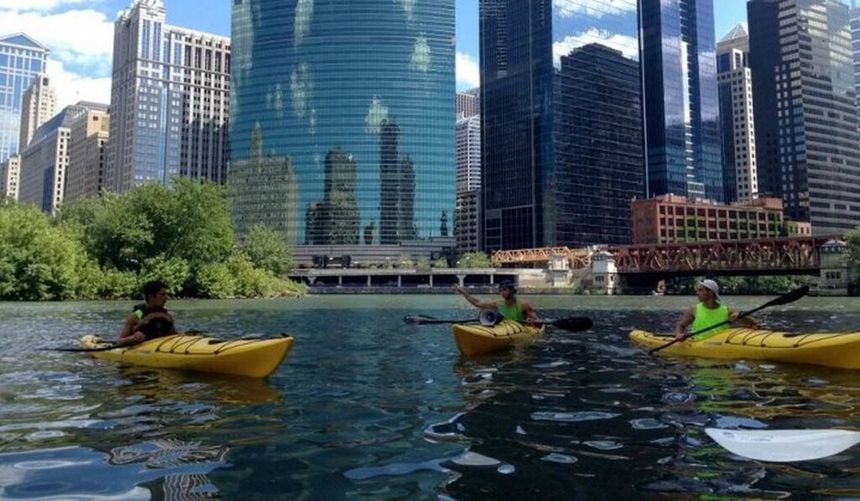
The river is now usable for recreation and enjoyment. A big win for the windy city.
/Passle/60211dc9e5416a0c14bc63d4/MediaLibrary/Images/2024-07-25-19-34-58-437-66a2a8e2012a075bf2d3886e.jpg)
/Passle/60211dc9e5416a0c14bc63d4/SearchServiceImages/2026-08-28-21-08-00-332-6a91f8b0de355275bbc2047e.jpg)
/Passle/60211dc9e5416a0c14bc63d4/SearchServiceImages/2026-09-01-19-40-59-331-6a972a4bf9386af8ea707113.jpg)
/Passle/60211dc9e5416a0c14bc63d4/SearchServiceImages/2026-09-03-11-57-48-238-6a9960bc7466c353608a92a5.jpg)