

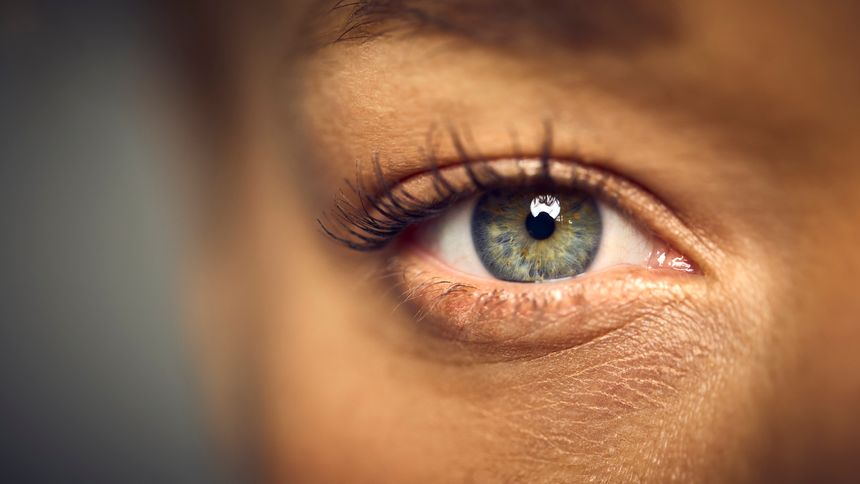
World Sight Day is our annual reminder that healthy vision is not guaranteed and that millions around the world live without access to basic eye care. Each year, it highlights how something many of us take for granted is deeply connected to education, work, and independence.
What is World Sight Day
World Sight Day takes place every year on the second Thursday of October. In 2025, that’s 9 October. It’s coordinated by the International Agency for the Prevention of Blindness (IAPB) and supported by eye health organisations worldwide. The aim is simple but profound: to make sure everyone, everywhere has access to affordable and inclusive eye care. This year’s theme continues the #LoveYourEyes campaign, encouraging individuals to protect their own sight and advocate for others who don’t yet have that privilege.
Why Vision Matters
More than 1.1 billion people globally live with vision loss or blindness that could be prevented or treated. The numbers are staggering, but they represent real people—children struggling in school, adults losing work opportunities, and older people isolated because they can no longer see safely. Poor vision doesn’t just affect sight. It affects literacy, confidence, safety, and economic stability. When people can see clearly, they can study, work, and participate fully in society.
Stories Create Change
Data is powerful, but stories move people to act. The IAPB’s “Every Story Counts” campaign focuses on sharing real experiences of vision loss, care, and recovery. Hearing how someone’s life changed after receiving glasses or cataract surgery brings home what statistics can’t. It’s a reminder that eye health is about people, not just numbers. Sharing these stories helps challenge misconceptions about blindness and drives governments and companies to prioritise vision care.
Building Sustainable Eye Health Systems
Charity work and pop-up eye clinics make a difference, but lasting change comes from integrating eye health into public health systems. That means training local professionals, funding national eye care programs, and making eye tests as routine as blood pressure checks. IAPB’s partnerships with the World Health Organization are helping countries include vision care within universal health coverage plans. It’s a long-term effort, but it’s the only way to ensure everyone gets the care they need.
Vision and the Workplace
Eye health also plays a major role in employment. Many jobs rely heavily on sight, from reading screens to operating machinery. Poor vision can lead to fatigue, mistakes, and accidents. Employers can help by offering regular eye tests, ensuring good lighting, and providing accessible digital tools for those with low vision. Investing in workplace eye care is not just a wellness initiative - it’s good business sense.
How You Can Support World Sight Day
There are many simple ways to take part in World Sight Day this year:
- Book an eye test for yourself or someone in your family.
- Encourage your organisation to host a vision screening day.
- Share posts using #LoveYourEyes to raise awareness.
- Support charities providing eye care in low-income communities.
- Take the IAPB pledge to make eye health accessible for everyone.
Closing Thought
World Sight Day is more than an awareness campaign - it’s a reminder that vision connects us to the world and to each other. By protecting our eyes and supporting efforts to expand access to care, we can help ensure that everyone has the chance to see clearly and live fully. This October, take a moment to think about your own vision and what you can do to help others love their eyes too.
/Passle/60211dc9e5416a0c14bc63d4/SearchServiceImages/2026-09-08-15-59-47-905-6aa030f3d27ce9f0cbae7a79.jpg)
/Passle/60211dc9e5416a0c14bc63d4/SearchServiceImages/2026-09-09-15-01-38-177-6aa174d2313dbadbe82c2a01.jpg)
/Passle/60211dc9e5416a0c14bc63d4/SearchServiceImages/2026-09-04-10-40-38-568-6a9aa0260d5bc279697263a2.jpg)
/Passle/60211dc9e5416a0c14bc63d4/SearchServiceImages/2026-09-03-15-41-56-326-6a9995447466c353608b5180.jpg)