

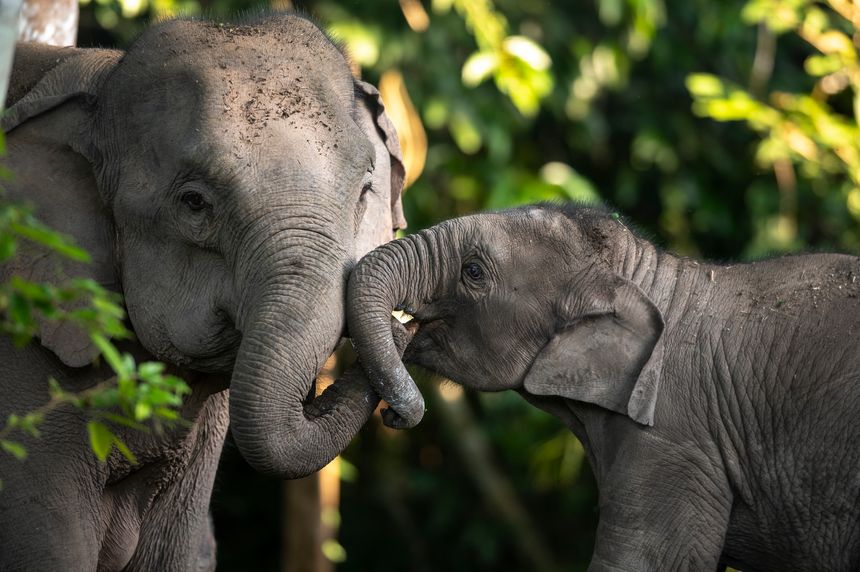
The rise of ethical wildlife tourism is reshaping the expectations of today’s travelers, and the Phuket Elephant Nature Reserve (PENR) is a standout example of how this shift can look in practice. What I find most compelling is the sanctuary’s commitment to letting elephants simply be elephants. Observing natural behaviors, rather than staged interactions, creates a more honest and powerful experience for visitors while placing welfare at the center of the model.
What also stands out is the sanctuary’s integrated approach: responsible care, community employment, environmental initiatives, and meaningful education. Their work transforming natural waste into useful products is a small but inspiring reminder that circular solutions can take root anywhere when creativity meets purpose. It’s an encouraging signal for hospitality operators looking to strengthen their sustainability strategies.
For the wider tourism sector, PENR is more than a sanctuary, it’s a blueprint. As travelers become more aware of animal welfare and environmental impacts, ethical experiences like these help raise the bar for the entire industry. And if destinations continue to adopt similar practices, wildlife tourism can move from transactional encounters to truly regenerative, community-centered experiences.
/Passle/60211dc9e5416a0c14bc63d4/SearchServiceImages/2026-09-08-15-59-47-905-6aa030f3d27ce9f0cbae7a79.jpg)
/Passle/60211dc9e5416a0c14bc63d4/SearchServiceImages/2026-09-09-15-01-38-177-6aa174d2313dbadbe82c2a01.jpg)
/Passle/60211dc9e5416a0c14bc63d4/SearchServiceImages/2026-09-04-10-40-38-568-6a9aa0260d5bc279697263a2.jpg)
/Passle/60211dc9e5416a0c14bc63d4/SearchServiceImages/2026-09-03-15-41-56-326-6a9995447466c353608b5180.jpg)