

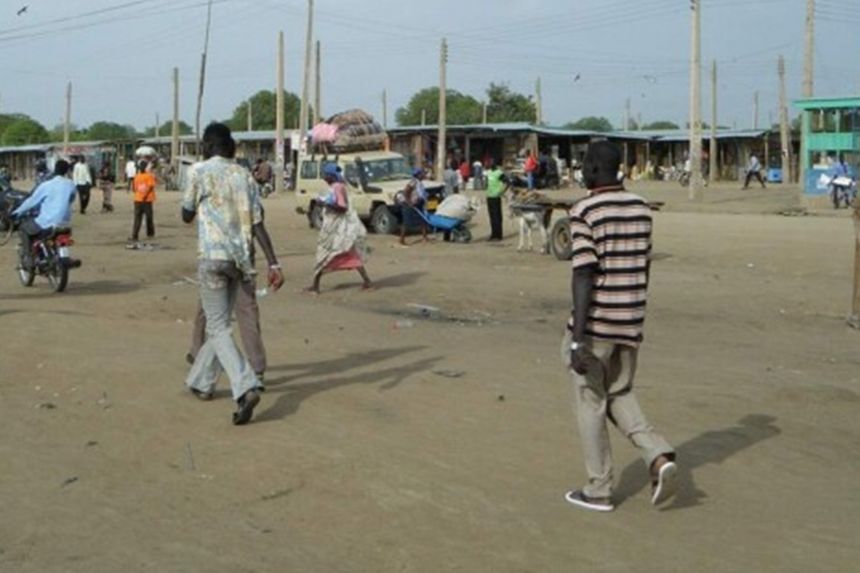
I read a story today that left me both humbled and hopeful. It’s about the people of Bor, a town on the banks of the Nile in South Sudan, a place where a catastrophic flood once deepened hardship and suffering, but today stands as an inspiring symbol of resilience and transformation.
In 2020, the White Nile surged with a force not seen in decades, overwhelming the already fragile infrastructure in Bor and leaving tens of thousands without access to safe water. Families had to walk long distances just to collect water from muddy riverbanks, water that was unsafe and made people sick. That image alone hit me hard. So many communities around the world live with this daily reality, and it reminded me how much I take something like clean water for granted.
But out of that devastation has come something transformative. With funding and support from international partners, the community built a water treatment facility that now delivers clean, reliable water to nearly 98,000 people through a 33-mile pipeline, serving schools, homes, a hospital, and community water kiosks.
What strikes me most is how this project isn’t just about pipes and taps, it’s about dignity. It’s about girls being able to stay in school instead of walking miles for water. It’s about families no longer risking disease or dangerous trips to the river. It’s about hope , that even amid climate-driven disasters, people can rebuild in ways that make their communities stronger and more resilient.
I also find myself thinking about how extraordinary it is that something as devastating as flooding, an event tied directly to climate instability, could be the catalyst for such meaningful, life-changing infrastructure. It gives me a renewed sense of faith in human ingenuity, partnership, and the power of investing in solutions that uplift entire communities.
Reading about Bor reminded me why uplifting these stories matters. They show us that progress is possible, even in places where the odds can seem overwhelming. They remind me to pay attention to communities working at the intersection of climate adaptation and human dignity — because their successes are lessons for all of us. And most of all, they remind me that when people are given access to something as essential as clean water, everything else becomes a little more possible.
/Passle/60211dc9e5416a0c14bc63d4/SearchServiceImages/2026-09-14-13-51-59-114-6aa7fbff942e1ead4d7a6bb3.jpg)
/Passle/60211dc9e5416a0c14bc63d4/SearchServiceImages/2026-09-14-11-29-34-455-6aa7da9e162ac4d6485e94ed.jpg)
/Passle/60211dc9e5416a0c14bc63d4/MediaLibrary/Images/2026-09-17-13-58-04-341-6aabf1ecd83deebed679a4a3.png)
/Passle/60211dc9e5416a0c14bc63d4/SearchServiceImages/2026-09-15-17-58-27-875-6aa987430810fd5205abc3e8.jpg)