
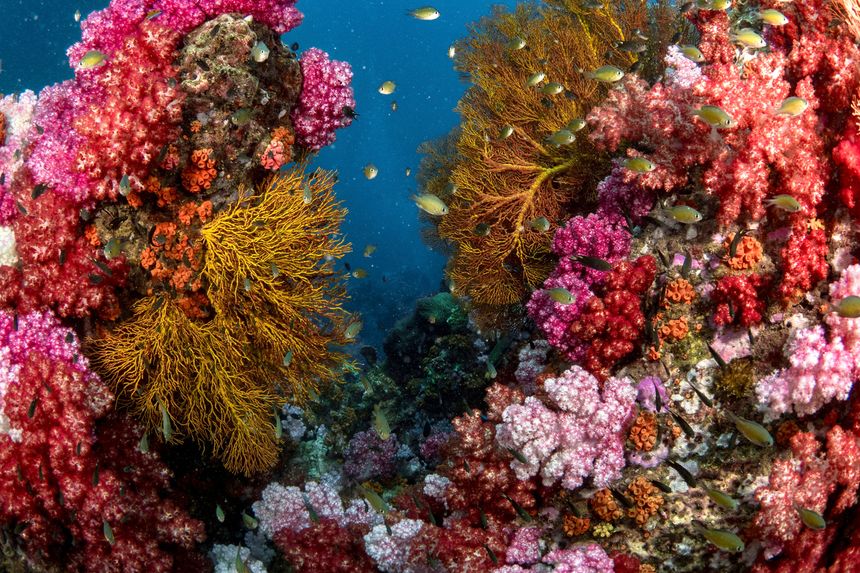
The ScienceDaily article on coral reef recovery sheds new light on the important role marine ecosystems could play in global food security. Researchers from the Smithsonian Tropical Research Institute found that coral reef fish populations around the world have been heavily overfished and are supplying far less food than they could sustainably support. Letting these stocks recover could increase sustainable fish yields by almost 50 percent, potentially translating into millions of additional servings of seafood each year.
What makes this research compelling is that it connects conservation with tangible human benefits. Rather than viewing reef protection as something separate from human needs, the findings show that healthier reef fisheries could directly improve nutrition and help address hunger, especially in regions already facing food supply challenges. Countries in parts of Africa and Southeast Asia are identified as having some of the greatest potential gains.
The study also highlights that rebuilding reef fish populations will require effective fisheries management, cooperation across communities, and support for people who depend on fishing in the short term.
This research reinforces a practical point: sustainable ecosystems do more than protect biodiversity. When fish stocks are managed responsibly and allowed to replenish, the benefits are ecological and social. Investments in marine recovery could help support healthy diets and resilient coastal economies in the years ahead.
/Passle/60211dc9e5416a0c14bc63d4/SearchServiceImages/2026-10-02-13-32-02-404-6abfb2527f63a687f5e4517c.jpg)
/Passle/60211dc9e5416a0c14bc63d4/SearchServiceImages/2026-10-05-13-05-26-086-6ac3a0967533beb6e63d4d89.jpg)
/Passle/60211dc9e5416a0c14bc63d4/SearchServiceImages/2026-09-23-16-39-22-670-6ab400ba0e500d8e6b069e7a.jpg)
/Passle/60211dc9e5416a0c14bc63d4/SearchServiceImages/2026-09-30-10-39-14-152-6abce6d2ce06b7aee061e77e.jpg)