
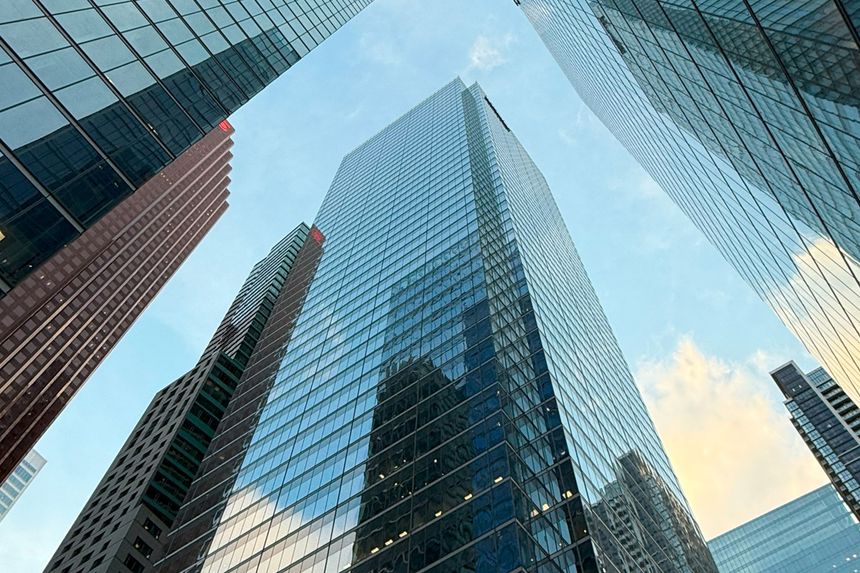
The emerging trend of upcycling skyscrapers and tall buildings signals a meaningful shift in how the construction and design community approaches the built environment. Instead of defaulting to demolition when a building reaches the end of its functional life, more developers and designers are choosing to extend a structure’s usefulness through thoughtful reuse, preserving valuable materials and embodied energy. This approach aligns with circular economy principles by reducing waste and cutting carbon emissions associated with tearing down and rebuilding at full scale.
Projects like the transformation of an existing high-rise into a renewed tower showcase what adaptive reuse can accomplish on a grand scale. In cases where a significant portion of the original core or framework is retained, cities benefit from reduced construction waste, avoid the environmental impacts of full demolition, and celebrate architectural continuity in places that matter to residents and visitors alike.
This movement toward upcycling tall buildings reflects broader industry innovation. It reinforces that sustainable design can be practical and inspiring while offering economic advantages such as saved materials and accelerated timelines. As more stakeholders embrace this mindset, upcycling could become a cornerstone of responsible urban development in the years ahead.
/Passle/60211dc9e5416a0c14bc63d4/SearchServiceImages/2026-09-21-14-44-06-794-6ab142b68d381308c46013e3.jpg)
/Passle/60211dc9e5416a0c14bc63d4/SearchServiceImages/2026-09-22-20-55-53-229-6ab2eb59e77aebe36a19438f.jpg)
/Passle/60211dc9e5416a0c14bc63d4/SearchServiceImages/2026-09-27-15-40-51-115-6ab939039006ba25977a837e.jpg)
/Passle/60211dc9e5416a0c14bc63d4/SearchServiceImages/2026-09-24-10-34-45-556-6ab4fcc5ce1e0391003c4632.jpg)