
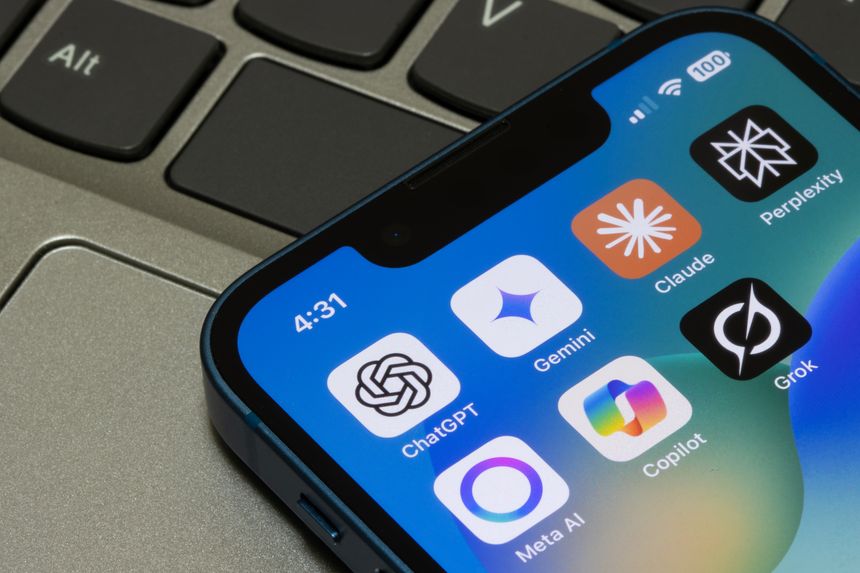
When I first read about the idea that AI might help us improve our listening skills, I was skeptical. Listening feels so human. It is about empathy, presence, and nuance. But what struck me is how AI can surface patterns in our conversations that we easily miss, like where we interrupt, emotional cues we overlook, or moments where we respond before fully understanding what was said.
In my day to day work, I often catch myself half listening while already forming my response. The idea that a tool could help me slow down, recognize habits in how I communicate, and reflect on what I actually heard is compelling. This is not about replacing human connection with technology. It is about using AI as a mirror to help us become more intentional and aware in our interactions.
If AI can help us notice what we are missing in meetings, feedback conversations, or even at home, that feels like progress. At its best, technology should support better human connection, not distract from it.
/Passle/60211dc9e5416a0c14bc63d4/SearchServiceImages/2026-10-16-11-16-08-226-6ad20778f0722e0f6fffd010.jpg)
/Passle/60211dc9e5416a0c14bc63d4/SearchServiceImages/2026-10-22-14-57-06-228-6ada2442594ea8e6e3b00785.jpg)
/Passle/60211dc9e5416a0c14bc63d4/SearchServiceImages/2026-10-15-08-01-34-892-6ad0885ed13e4bbdf6a6a870.jpg)
/Passle/60211dc9e5416a0c14bc63d4/SearchServiceImages/2026-10-06-17-19-56-342-6ac52dbc4e3377a132b46e72.jpg)