

We often talk about the future of technology as if it depends solely on what we extract next. New mines. New discoveries. New frontiers. But what if part of that future is already here, sitting quietly in places we’ve long written off as waste?
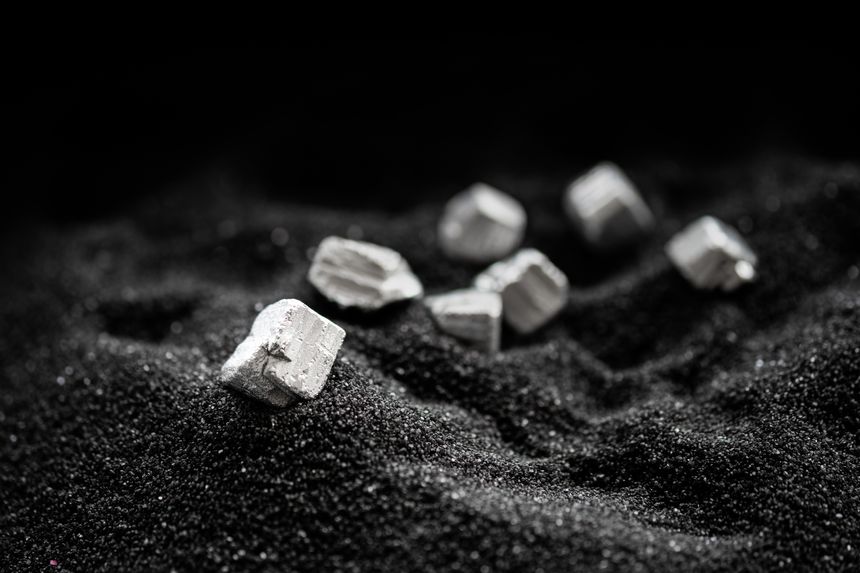
A recent BBC Future article explores an idea that initially feels counterintuitive but quickly becomes hard to ignore: landfills and coal ash, long viewed as environmental burdens, may hold significant amounts of rare earth metals. These elements are essential to modern life. They power electric vehicles, wind turbines, smartphones, medical equipment, and much of the technology we rely on every day. Yet sourcing them has historically come with serious environmental and geopolitical costs.
What struck me most is the shift in perspective this research requires. Coal ash has been treated for decades as a problem to contain, manage, or clean up. Now scientists are finding that it may contain concentrations of rare earth elements comparable to, or even exceeding, traditional mineral deposits. In the United States alone, enormous quantities of coal ash are already stored, meaning the materials needed for emerging technologies may already exist without opening new mines or disturbing untouched land.
There’s something deeply compelling about the idea of extracting value from what we once considered useless or harmful. It forces us to confront how narrowly we sometimes define resources and how quickly we label things as disposable. Instead of seeing waste as an endpoint, this research invites us to see it as part of a longer lifecycle, one that still holds potential if approached thoughtfully and responsibly.
That doesn’t mean this is a simple fix. Recovering rare earth metals from waste presents technical challenges, cost considerations, and environmental questions of its own. Any solution still requires care, oversight, and long-term thinking. But the possibility itself feels important. It suggests that progress doesn’t always require starting from scratch. Sometimes it comes from reassessing what we already have and asking better questions about how we use it.
For me, this story is a reminder that innovation isn’t only about invention. It’s also about perspective. When we’re willing to look differently at old problems, we sometimes uncover opportunities that were there all along, waiting to be seen.
/Passle/60211dc9e5416a0c14bc63d4/SearchServiceImages/2026-09-21-14-44-06-794-6ab142b68d381308c46013e3.jpg)
/Passle/60211dc9e5416a0c14bc63d4/SearchServiceImages/2026-09-22-20-55-53-229-6ab2eb59e77aebe36a19438f.jpg)
/Passle/60211dc9e5416a0c14bc63d4/SearchServiceImages/2026-09-27-15-40-51-115-6ab939039006ba25977a837e.jpg)
/Passle/60211dc9e5416a0c14bc63d4/SearchServiceImages/2026-09-24-10-34-45-556-6ab4fcc5ce1e0391003c4632.jpg)