
Like many people, I’ve been catching up on the conversations coming out of Davos this week. Beyond global politics, I find it interesting to see which issues are capturing the attention of global industry leaders, especially when it comes to the future of AI. Reading John Werner’s article made it clear just how tightly the growth of artificial intelligence is linked to energy infrastructure. Rather than treating power as a secondary concern, the piece positions it as a real constraint on how quickly and responsibly AI can scale. What stood out to me most was the idea that progress in AI will depend as much on bold energy decisions as it does on advances in algorithms or computing power.
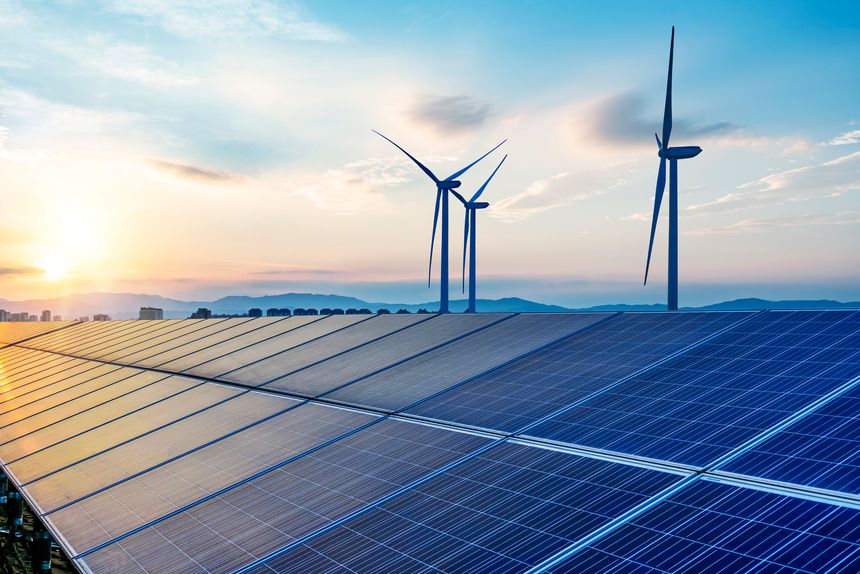
The discussion around solar energy as a near-term, scalable solution, alongside longer-term concepts like space-based energy and clean nuclear technologies such as small modular reactors, reflects a broader shift in thinking. Together, these approaches acknowledge that AI’s growing demand for electricity cannot be met through incremental improvements alone. It will require coordinated investment, long-term planning, and a willingness to rethink how and where power is generated.
As a consumer, I find it encouraging to see technological ambition being discussed alongside environmental responsibility. AI is often framed in abstract terms, but this conversation is grounded in real-world considerations like grids, data centers, and carbon impact. It reinforces the idea that AI’s success will depend not only on what the technology can do, but on whether we build the energy systems needed to support it responsibly.
/Passle/60211dc9e5416a0c14bc63d4/SearchServiceImages/2026-09-10-00-52-25-316-6aa1ff49ff5bd9fb0fed759a.jpg)
/Passle/60211dc9e5416a0c14bc63d4/SearchServiceImages/2026-09-09-15-01-38-177-6aa174d2313dbadbe82c2a01.jpg)
/Passle/60211dc9e5416a0c14bc63d4/SearchServiceImages/2026-09-08-15-59-47-905-6aa030f3d27ce9f0cbae7a79.jpg)
/Passle/60211dc9e5416a0c14bc63d4/SearchServiceImages/2026-09-04-10-40-38-568-6a9aa0260d5bc279697263a2.jpg)