

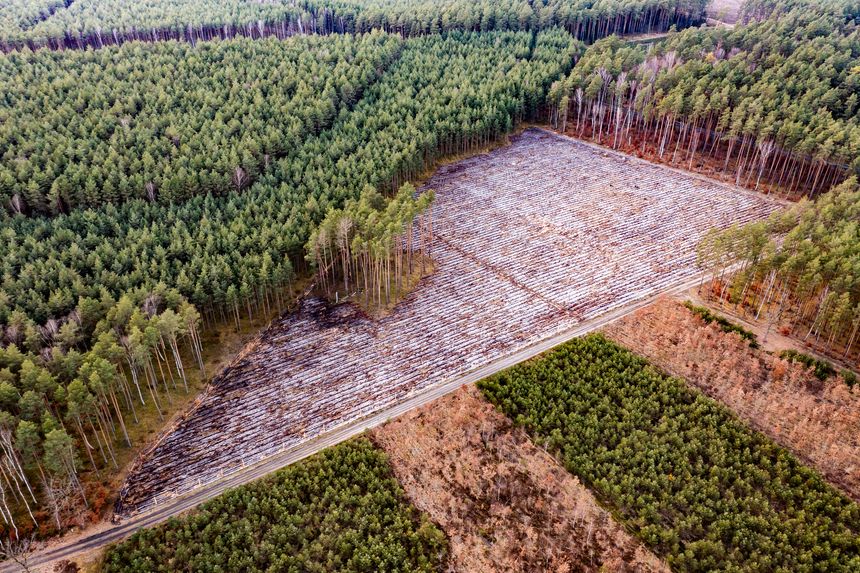
There is a real shift happening in how we fight deforestation and the role technology can play. According to recent reporting, new artificial intelligence tools are being used to predict where illegal forest loss is most likely to occur. These systems combine historical satellite data, maps of roads and population patterns, and machine learning to identify areas at risk up to several months before the damage happens. That kind of lead time lets local authorities and conservation groups act before large areas of forests are destroyed.
Tools like the Forest Foresight model from WWF and Project Guacamaya backed by Microsoft and Colombian researchers are already in use in countries across South America, Africa and Southeast Asia. They have helped officials find and stop illegal activities that were heading toward deforestation long before they became visible on traditional monitoring systems.
There are still challenges to work through. Predictive AI isn’t perfect and it needs to be paired with real-world verification and engagement with local communities. There are also ethical questions about how open these tools should be, and the risk that bad actors could learn how to evade them.
But this work points to a new approach where technology isn’t just watching forests after they are damaged, it is helping to prevent harm in the first place. That proactive angle could make a real difference if governments and organizations continue to invest in and refine these tools.
/Passle/60211dc9e5416a0c14bc63d4/SearchServiceImages/2026-10-16-11-16-08-226-6ad20778f0722e0f6fffd010.jpg)
/Passle/60211dc9e5416a0c14bc63d4/SearchServiceImages/2026-10-22-14-57-06-228-6ada2442594ea8e6e3b00785.jpg)
/Passle/60211dc9e5416a0c14bc63d4/SearchServiceImages/2026-10-15-08-01-34-892-6ad0885ed13e4bbdf6a6a870.jpg)
/Passle/60211dc9e5416a0c14bc63d4/SearchServiceImages/2026-10-06-17-19-56-342-6ac52dbc4e3377a132b46e72.jpg)




