

I still fly.
Slow travel, for me, has never been about how I get somewhere. It’s about what happens after I arrive.
For a long time, I thought travel meant doing more. Seeing more places. Filling every day. Maximizing every moment. I planned trips the same way I planned my life: efficiently and tightly packed.
Over time, that approach stopped feeling rewarding.
What changed wasn’t my travel mode. It was my pace once I landed.
Slowing down after arrival
Slow travel starts with staying longer in one place. Leaving space in the day. Walking without a plan. Returning to familiar spots instead of chasing highlights.
At first, it felt uncomfortable. I worried I wasn’t doing enough. That I should be moving faster or seeing more.
But slowing down did the opposite of limiting my experience. It deepened it.
When you stop rushing, places begin to unfold naturally. You notice routines, rhythms, and details that disappear when everything is compressed.
Less movement, more connection
Staying put creates a different kind of connection. You recognize faces. Streets become familiar. You feel less like a visitor and more like someone temporarily grounded.
Slow travel isn’t about covering less ground. It’s about being present enough to actually experience where you are.
That presence changes how you experience time. Moments stretch. Days feel fuller without being crowded.
Carrying less, needing less
Staying longer also changes how you pack.
You stop preparing for every possible scenario and start trusting your ability to adapt. Fewer clothes. Fewer extras. More repetition.
At first, it feels restrictive. Then it feels freeing.
Traveling with less made me realize how much of what we carry is habit, not necessity. The just-in-case items. The comfort of abundance.
Living with less, even temporarily, clarifies what actually matters.
Sustainability without pressure
Slow travel often aligns with sustainability, but not in a rigid way.
When you aren’t rushing, you naturally consume more intentionally. You eat locally because it’s convenient. You buy fewer things because experiences feel more meaningful. You waste less because you’re paying attention.
It’s not about perfection. It’s about awareness.
The luxury of presence
In a world that values speed, presence feels like a luxury.
Some days while traveling slowly feel quiet or uneventful. And those are often the days that leave the strongest impression.
Without constant movement, your mind settles. You observe more. You listen more. You reconnect with yourself instead of performing the experience.
Bringing it home
The biggest surprise was how slow travel followed me back home.
I started questioning the pace I once accepted. The clutter. The urgency. The feeling that everything needed to happen immediately.
I began choosing intentionally. Slowing daily moments. Letting go of excess, not just in belongings, but in expectations.
A simple takeaway
Slow travel didn’t change how I move through the world. I still fly. I still value global connection.
What it changed was how I show up once I arrive.
It taught me that living with less isn’t about restriction. It’s about intention. About choosing presence over pressure, and meaning over more.
And that lesson stays with you long after the journey ends.
While thinking about all of this, I came across an article online that genuinely captured what I’ve been trying to put into words. It reminded me that slow travel isn’t about doing less for the sake of it, but about allowing space for connection, reflection, and depth.
If this idea resonates with you too, you can read the full article below!
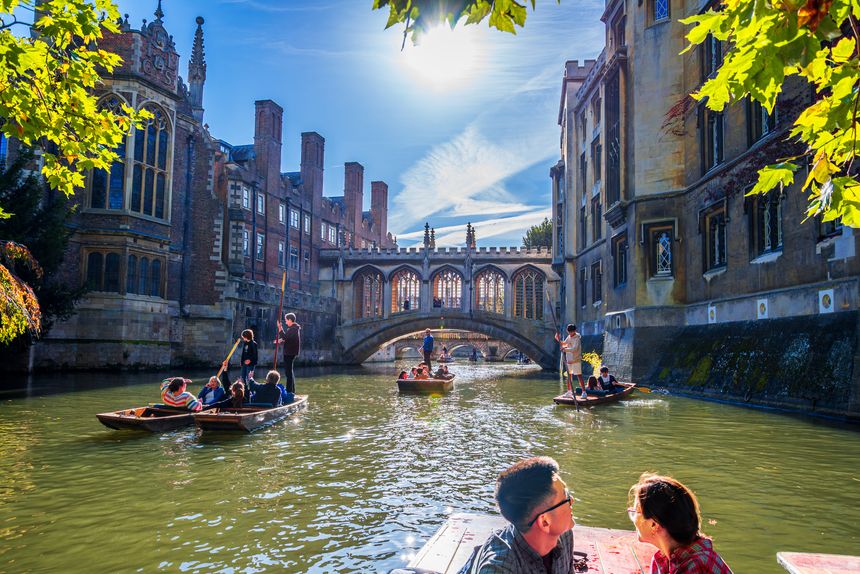
/Passle/60211dc9e5416a0c14bc63d4/SearchServiceImages/2026-10-09-14-47-29-978-6ac8fe81bf2cf47546e7c7c8.jpg)
/Passle/60211dc9e5416a0c14bc63d4/SearchServiceImages/2026-10-16-15-04-20-057-6ad23cf4b378b0c78cece71b.jpg)
/Passle/60211dc9e5416a0c14bc63d4/SearchServiceImages/2026-10-16-11-16-08-226-6ad20778f0722e0f6fffd010.jpg)
/Passle/60211dc9e5416a0c14bc63d4/SearchServiceImages/2026-10-22-14-57-06-228-6ada2442594ea8e6e3b00785.jpg)