

If you’ve been following conversations around plastic waste, you may have come across the term pyrolysis oil. I know I did, and at first it sounded complicated. But the idea behind it is actually quite simple.
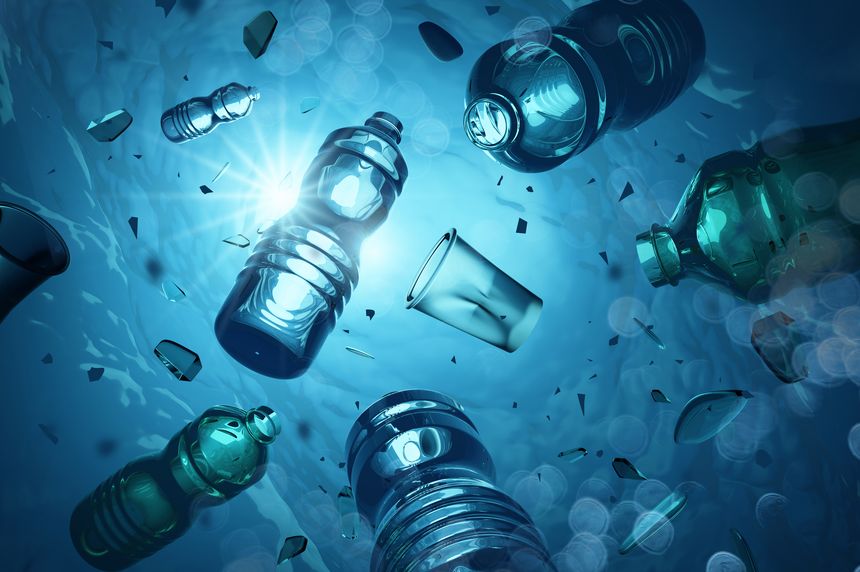
Pyrolysis oil is made by heating certain plastic waste without oxygen, breaking it down into a liquid that can be reused as fuel or as a raw material for new products. It’s often discussed as a way to deal with plastics that can’t be recycled in the usual way, the mixed or contaminated materials that typically end up in landfills or incinerators.
From a reader’s perspective, that sounds promising. Instead of treating plastic waste as the end of the line, pyrolysis offers a way to keep materials in circulation. This aligns closely with circular economy thinking promoted by organisations like the Ellen MacArthur Foundation, which focus on designing out waste and keeping resources in use for as long as possible rather than relying on constant extraction of new materials.
But as I kept reading, it became clear that pyrolysis oil isn’t a perfect solution. One challenge is consistency. Because it’s made from different types of plastic waste, the quality of the oil can vary, which makes testing and transparency especially important if it’s going to be used reliably and at scale.
What makes pyrolysis oil interesting isn’t just the technology itself, but the bigger question it raises. How do we turn innovative ideas into solutions people can trust and use responsibly?
It may not solve plastic waste on its own, but pyrolysis oil shows how we’re starting to rethink waste, value, and sustainability in new ways.
/Passle/60211dc9e5416a0c14bc63d4/SearchServiceImages/2026-09-17-13-19-13-754-6aabe8d1d83deebed6798420.jpg)
/Passle/60211dc9e5416a0c14bc63d4/SearchServiceImages/2026-09-14-11-29-34-455-6aa7da9e162ac4d6485e94ed.jpg)
/Passle/60211dc9e5416a0c14bc63d4/SearchServiceImages/2026-09-14-13-51-59-114-6aa7fbff942e1ead4d7a6bb3.jpg)
/Passle/60211dc9e5416a0c14bc63d4/MediaLibrary/Images/2026-09-17-13-58-04-341-6aabf1ecd83deebed679a4a3.png)